
7 Signs You Need to Make an Eye Doctor Appointment
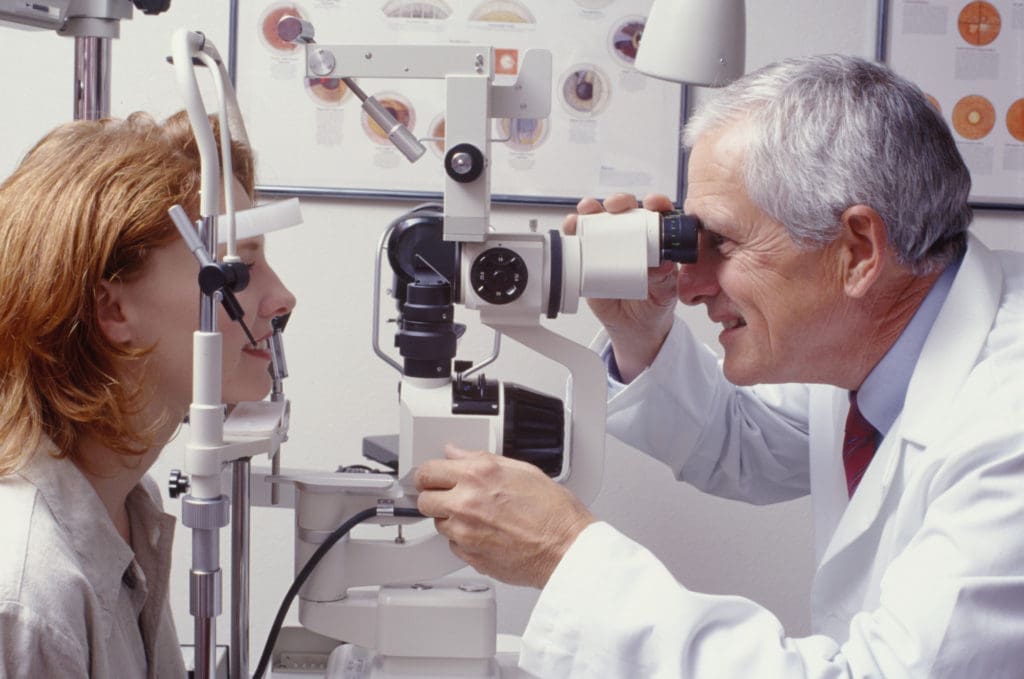
In the United States, around 93 million adults are at high risk for serious vision loss. Despite this fact, only half of them visited an eye doctor in the past 12 months. Your vision is a huge part of your life and health. Taking it for granted can lead to eye problems and complications. Left untreated, these issues can become more severe and more difficult to treat. So if you haven’t been to the optometrist lately, now is the best time to go. Here are the 7 major tell-tale signs you need to set up an eye doctor appointment and get your vision checked. 1. Your Vision Is Blurry Blurry vision is the first major sign you need to see an eye doctor. Blurriness can be a symptom of nearsightedness, farsightedness, irritation, surface eye damage, or spending too much time in front of screens. You’ll never know until you see an eye doctor who will make sure you get your vision back. If the blurriness doesn’t go away on its own, schedule an appointment right away. 2. You Have Trouble Reading From Up Close If you’re not able to read the newspaper, books, or your phone up close, you need to schedule an eye exam. Sometimes your eyes may be tired from sitting in front of a screen all day so your vision is temporarily blurry. But if this doesn’t go away on its own in a day, it might be the beginning of Presbyopia. This is a normal process of aging of the eye during which it slowly loses its ability to focus on objects in front of it. Your doctor will prescribe seeing aids so you can see great again. If you’re younger and still can’t see up close, book an eye exam immediately. Early detection is key to preventing more serious eye problems down the line. The same goes for your kids — if you notice them having trouble reading their textbooks or homework, it’s time to get their eyes checked. 3. Difficulty Seeing When Doing Daily Activities If you’re suddenly bumping into things while doing your daily activities, can’t read what’s on TV, or do any work without squinting or making mistakes, choosing an eye doctor for an exam is a priority. This is especially urgent if you work with machinery or handle heavy or sharp objects. Refusing to get checked can lead to injury either at home or at your workplace, so why risk it? When your vision negatively affects your daily life, it’s time for a checkup. Your eye doctor will examine you thoroughly and give you a treatment plan. You may need glasses, eye drops, or medication, and your life will start getting back to normal. 4. You Struggle With Eye Pressure If you feel pressure in your eyeballs or behind the eyes, this is a telltale sign something is not right with your eye health. Increased eye pressure is a symptom of glaucoma, high blood pressure, head or eye injuries, and more. Eye pressure can be extremely uncomfortable and even painful. If the symptoms are extreme, they can cause nausea, cluster headaches, throbbing pain in the eye, and blurry vision. A simple eye exam will tell you exactly what the cause is and your doctor will prescribe eye drops or medication to treat your condition. If the eye pressure is related to your lifestyle, your doctor will recommend some lifestyle and diet changes to help relieve and lower the pressure. 5. You Have Frequent Headaches Though headaches can be a symptom of a plethora of health conditions, they can also indicate an eye problem. For instance, if you spend your workday in front of a computer, your eyes will get tired. This can cause eye strain which then leads to headaches. Another cause of headaches related to eye problems is Astigmatism, which means you have blurred vision at all distances. Monocular vision is another one, which means one of your eyes does the majority of the work. High eye pressure can also cause headaches, so it’s best to schedule an eye exam to see what’s happening. Even if your doctor rules out any eye problems, at least you’ll know what to do next. You’ll do further tests to see why you have constant headaches and get to the root of the problem. 6. It’s Been a While Since You’ve Had an Eye Exam Has it been years since you last did an eye exam? Then it’s time for a new one. Even if your eyes feel okay to you, you should still schedule an appointment to make sure everything is healthy. When choosing an optometrist, go for a doctor and medical team that’ll make you feel comfortable and safe. The eyes are sensitive organs so you want to feel relaxed and taken care of at the optometrist’s office. 7. If Your Eyes Are Itchy, Red, or Constantly Irritated If your eyes are constantly irritated, itchy, yellow, or red, or you have a lot of broken blood vessels that don’t heal, you need to see an optometrist. Sometimes, irritation happens because of dust, air pollutants, or allergies but it can also be a symptom of an eye problem. An eye doctor will examine your eyes and see if there are any damages or scratches on the cornea. This is not something you can see on your own. The optometrist will use special machines and technology to examine your eyes and determine what’s causing the problem. Schedule Your Next Eye Doctor Appointment With Eye Pros Today Whether you have blurry vision and can’t see as clearly as before or have tension in your eyes and head, an eye doctor appointment will tell you exactly what’s happening. Your eyes are your windows to the world and vision is not something you should take for granted. As soon as you notice any changes, you need to get proactive and visit an eye doctor. Find your nearest Eye Pros location and give us a call to make an appointment with us.
7 Reasons to Get Your Yearly Eye Exam
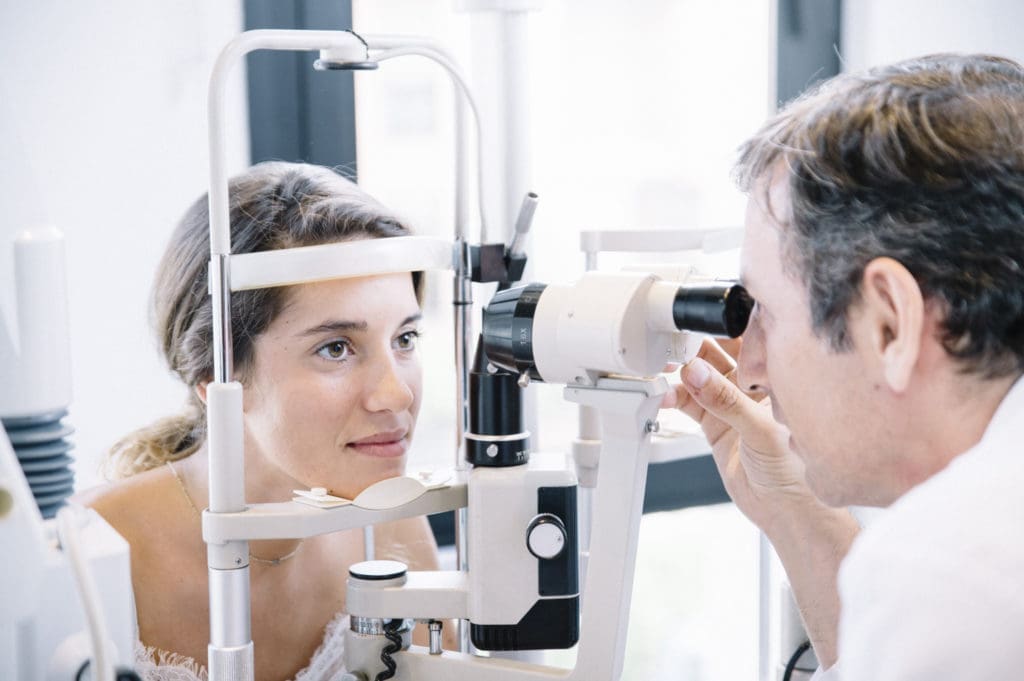
Did you know that only around one in three of us has 20/20 vision without glasses or contact lenses? If you don’t have perfect vision, the right contact lenses or prescription eyeglasses can fix that for you. Many of us will visit the eye doctor if we notice our eyesight is changing, but it’s important to schedule an annual eye checkup, well, to keep an eye on things. Read on to learn some of the most important reasons to get your yearly eye exam. 1. Keep Your Prescription Up-to-Date One of the primary reasons for an annual eye exam is to ensure your prescription for glasses or contact lenses is still accurate. Vision can change subtly over time due to age, lifestyle, or health conditions. Why is it important? Wearing an outdated prescription can cause eyestrain, headaches, and even worsen your vision. Your eye doctor will check your current prescription during the exam and make any necessary adjustments to keep your vision clear and comfortable. How often should you get your eyes checked if you wear glasses? For those who wear glasses or contact lenses, it’s recommended to have an eye exam every year to monitor changes in your prescription and ensure your vision correction is up to date, especially if you’re considering switching from glasses to contacts. 2. Detect Eye Conditions Early An eye exam isn’t just about checking your vision; it’s also about monitoring your overall eye health. Conditions like glaucoma, cataracts, and diabetic retinopathy can develop without noticeable symptoms. What tests are done during an eye exam? A comprehensive eye examination procedure includes tests for visual acuity, eye pressure, and a thorough examination of the retina. These tests help detect potential issues early before they cause significant damage. What happens if you don’t get your eyes checked? Without regular check-ups, these conditions may go undetected until they have progressed significantly, potentially leading to irreversible damage. Early detection through an annual eye exam can prevent vision loss and allow for more effective treatment options. 3. Catch Other Health Issues Early Did you know that your eye check-up can also spot signs of other diseases that aren’t directly related to the eyes? An eye examination can reveal indicators of health conditions like diabetes, high blood pressure, and even brain tumors. How? The blood vessels and nerves in your eyes are closely linked to your overall health, making your eyes a window into other potential issues. Regular eye exams can help detect these problems early, allowing for timely intervention. 4. Ensure Your Safety Having clear vision is essential for staying safe, whether you’re driving, working, or enjoying recreational activities. If your eyesight has deteriorated, it can slow your reaction times and increase your risk of accidents. Why is it crucial? Regular eye exams ensure that your vision is sharp enough for all your daily tasks, helping to keep you and those around you safe. 5. Succeed in School or Work Annual eye exams are equally important for children and adults. Poor vision can significantly impact performance in school or work, leading to difficulties in reading, writing, and focusing on tasks. Why yearly eye exams are so important: Yearly eye exams are essential for everyone. Regular exams help ensure that your vision correction is accurate, your eyes are healthy, and any early signs of eye conditions are detected and treated promptly. These exams are crucial for monitoring eye health and detecting potential issues that could affect your overall vision and well-being. 6. Update to the Latest Options Eyewear technology is constantly evolving, with new options for lenses and frames being introduced regularly. By visiting your eye doctor annually, you can stay informed about the latest advancements that may benefit your vision. What is the best time for an eye check-up? The best time for an eye check-up is typically in the morning when your eyes are well-rested. However, any time of day works as long as it fits into your schedule and ensures you don’t skip this important annual routine. 7. Prevent Vision Loss and Maintain Eye Health Regular eye exams are crucial for preventing vision loss, especially as you age. Conditions like macular degeneration, glaucoma, and cataracts can be managed effectively if caught early. How long should an eye test last? A comprehensive eye exam typically lasts about 30 minutes to an hour. This includes various tests to assess your vision and eye health, providing a thorough evaluation of your eyes. FAQs How often should you get an eye test? It’s recommended to have an eye test every year, especially if you wear glasses or contact lenses, or are over 60. Annual exams help monitor changes in vision and detect any potential eye conditions early. How long does an eyesight test last? A comprehensive eyesight test typically lasts about 30 minutes to an hour. This includes various tests to assess both your vision and overall eye health. What is the best time for an eye check-up? The best time for an eye check-up is usually in the morning when your eyes are well-rested. However, any time that fits into your schedule is fine, as long as you don’t skip the exam. How often should I change my glasses? You should change your glasses whenever your prescription changes, which is usually every 1-2 years. Regular eye exams will help determine if your prescription needs updating. Do You Really Need an Eye Test Every Year? Yes, you do. Regular eye exams are essential, even if you think your vision is fine. They help ensure that any changes in your vision are detected early, and your prescription remains up-to-date. Skipping annual exams can lead to unnoticed vision deterioration and potential eye health issues.
What Are the Common Causes of Blurred Vision?
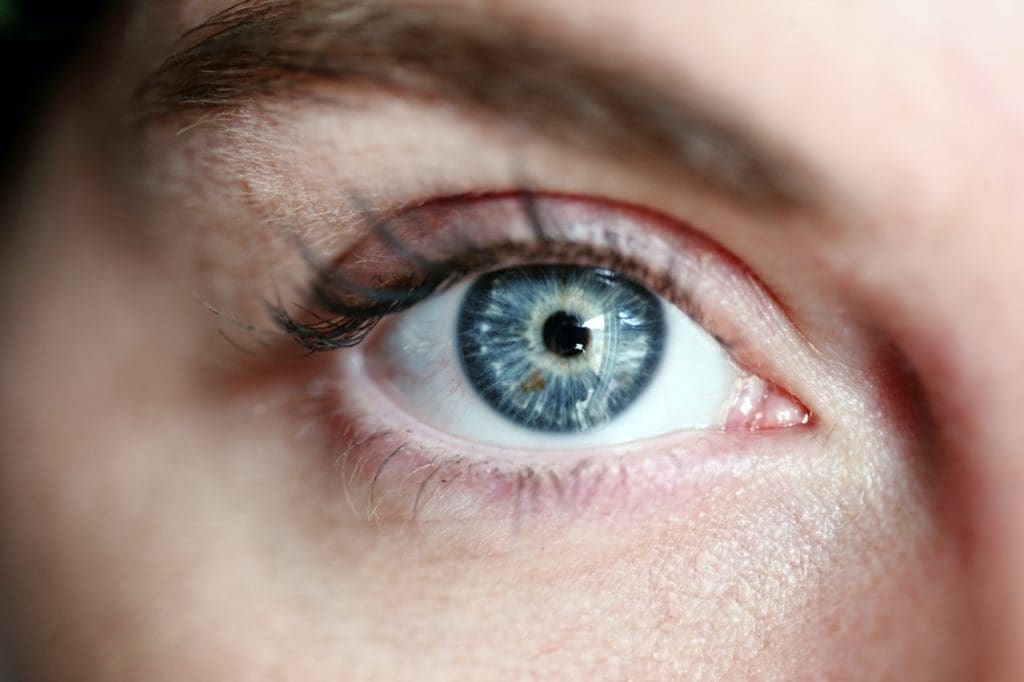
It’s all too easy to take our eyesight for granted. But did you know that around 93 million adults in the US are at high risk for serious vision loss? Of these people, only around half visited the eye doctor in the last year. Although many of us wear glasses or corrective lenses, we might not give our eye care much thought until something goes wrong. Blurred vision can be the first sign that you’ve got an eye disorder that needs urgent investigation. Let’s take a closer look at the causes of blurred vision and how you can get help. What Is Blurred Vision? Blurred vision refers to the inability to see objects clearly. It can occur in one eye or both and may affect your entire field of vision or just parts of it, such as the peripheral vision. When your vision is blurred, objects appear out of focus, making it difficult to recognize faces, read, or see details. Blurred vision can be temporary or long-term, and it’s important to understand the underlying causes to address it effectively. Common Causes of Blurred Vision Several factors can cause blurred vision. Here are some of the most common ones: Refractive Errors: Nearsightedness, farsightedness, and astigmatism are common refractive errors that cause blurred sight. These issues are usually correctable with glasses, contact lenses, or laser eye surgery. Presbyopia: As we age, the lens of the eye becomes less flexible, leading to presbyopia, which makes it difficult to focus on close objects. This typically starts around age 40 and is a normal part of aging. Cataracts: A cataract is a clouding of the eye’s lens, often leading to blurred vision. Cataracts usually develop slowly and can be treated with surgery to restore clear vision. Glaucoma: This condition is caused by increased pressure in the eye, leading to damage to the optic nerve. Glaucoma can lead to blurred vision and, if untreated, can cause permanent vision loss. Macular Degeneration: This age-related condition affects the central part of the retina, leading to loss of central vision and blurred vision. It primarily affects people over 50. Diabetic Retinopathy: High blood sugar levels can damage the blood vessels in the retina, leading to blurred vision. Regular eye exams are crucial for people with diabetes to detect and manage this condition early. Why Does My Eyesight Suddenly Go Blurry? Sudden blurring of vision can be alarming and may indicate a serious underlying condition. Here are some potential causes: Eye Infections or Injuries: Infections such as conjunctivitis or injuries to the eye can cause sudden blurring of vision. Migraines: Retinal migraines can cause temporary vision loss or blurring in one eye. This can be accompanied by headaches and dizziness. Detached Retina: A detached retina is a medical emergency where the retina pulls away from the back of the eye. This condition can cause sudden, severe blurring of vision. Stroke: A stroke affecting the part of the brain responsible for vision can cause sudden blurring of vision, often in one eye, along with other symptoms like dizziness, slurred speech, or weakness on one side of the body. If you experience sudden blurring of vision, it’s essential to seek medical attention immediately to rule out serious conditions. Can Blurry Vision Go Away? Blurry vision can go away, depending on the underlying cause. For example: Temporary Blurring: Blurring due to fatigue, lack of sleep, or exposure to bright lights can improve with rest or by addressing the specific trigger. Corrective Measures: Blurring due to refractive errors like nearsightedness or astigmatism can be corrected with glasses, contact lenses, or surgery. Medical Treatment: Conditions like cataracts or glaucoma may require medical or surgical intervention to improve vision. In some cases, especially with chronic or progressive conditions like macular degeneration, the blurring may not completely go away, but early intervention can help manage symptoms and slow progression. Can Lack of Sleep Cause Blurry Vision? Yes, lack of sleep can cause blurry vision. When you don’t get enough rest, your eyes don’t get the time they need to rejuvenate. This can lead to eye strain, dry eyes, and a general blurring of vision. Fatigue can also make it harder for your eyes to focus, contributing to blurred sight. If you experience blurred vision along with dizziness and headaches, it might be a sign that your body needs more rest. Ensuring you get adequate sleep can help improve your vision clarity. How to Fix Blurry Vision Naturally While some causes of blurry vision require medical treatment, there are natural ways to help improve your vision: Eye Exercises: Regular eye exercises can strengthen your eye muscles and improve focus. Simple exercises like shifting focus from a near object to a distant one can help. Adequate Sleep: Ensuring you get enough sleep each night is crucial for maintaining clear vision. Aim for 7-9 hours of quality sleep to allow your eyes to rest and recover. Proper Hydration: Dry eyes can lead to blurring of vision. Drinking enough water helps keep your eyes hydrated and can reduce dryness. Healthy Diet: A diet rich in vitamins A, C, and E, along with minerals like zinc, can support eye health. Foods like carrots, spinach, kale, and fish rich in omega-3 fatty acids are excellent for maintaining clear vision. Regular Breaks: If you spend long hours in front of a screen, make sure to take regular breaks to reduce eye strain. The 20-20-20 rule (looking at something 20 feet away for 20 seconds every 20 minutes) can help. When to See an Eye Doctor It’s important to consult an eye doctor if you experience any of the following: Persistent blurry vision that doesn’t improve with rest Blurred vision in one eye Blurring of vision accompanied by dizziness or headaches Sudden changes in vision, including flashes of light or dark spots Early diagnosis and treatment can prevent more serious complications and help maintain your eye health.
8 Vision Care Tips You Need To Know In 2025
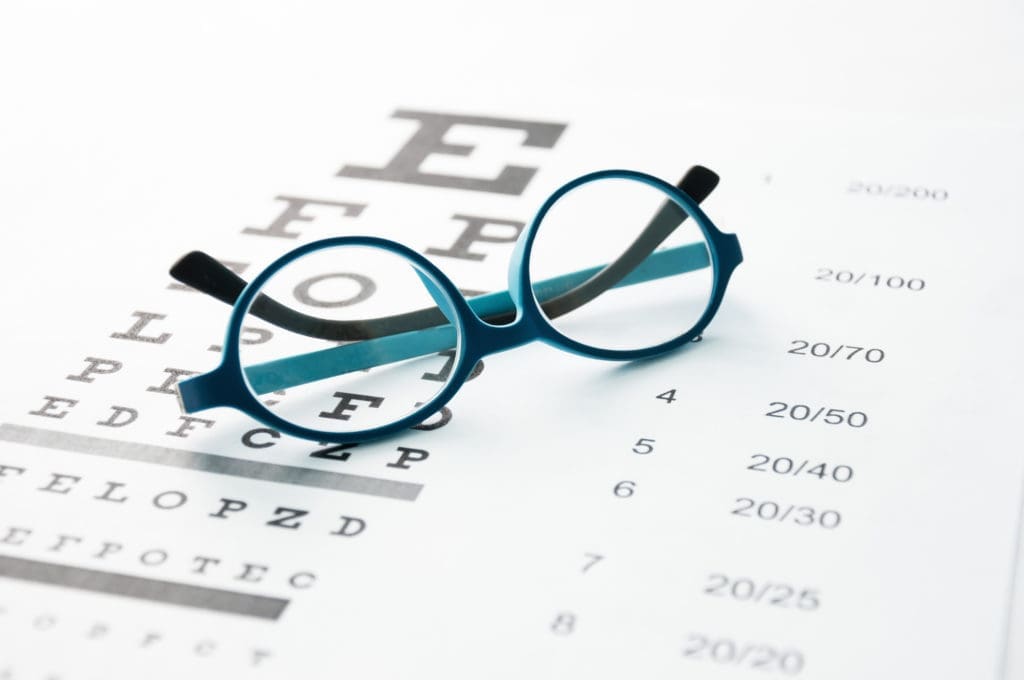
Are you doing everything you can to take care of your vision? Vision care is something we often don’t think about until we need it. However, as with any type of medicine, preventative care is far better than trying to fix problems after they start. With the right vision care tips, you can keep your eyes healthy and catch small problems before they become big ones. Ready to see clearly into 2024 and beyond? Follow these eight top vision care tips. 1. Wear Shades Sunglasses don’t just make you look cool—they’re also an important part of vision care. Choose sunglasses with 100% UV protection to shield your eyes from harmful rays. Wearing sunglasses without UV protection can actually damage your eyes more, as your pupils will dilate when shaded, allowing more sun damage in. Quality sunglasses help prevent cataracts by reducing direct sunlight exposure, protect the skin around your eyes from wrinkles and skin cancer, and prevent retinal damage caused by the sun. Always ensure that your sunglasses block both UVA and UVB rays. 2. Avoid Cigarettes Smoking is harmful to every part of your body, including your eyes. Cigarettes can accelerate the onset of age-related macular degeneration (AMD) and increase the risk of cataracts. If the health risks of smoking haven’t convinced you to quit, consider the impact on your vision. Protect your eye health by avoiding cigarettes altogether. 3. Eat Healthily Your diet affects every part of your body, including your eyes. A balanced diet rich in vitamins and nutrients can significantly impact your eye health. For instance, carrots are often touted as good for your eyes because they contain beta-carotene, which your body converts to Vitamin A, essential for cell formation in your eyes. Incorporating a diet rich in leafy greens, colorful vegetables, and omega-3 fatty acids can help prevent eye disease and degeneration. Regularly eating these foods will support your vision and overall eye health well into the future. 4. Get Regular Eye Exams Regular eye exams are one of the most important things you can do for your eye health. Even if you follow all the best at-home eye care tips, nothing replaces the expertise of a professional eye doctor. Annual eye exams allow early detection of issues like glaucoma, cataracts, and other conditions that might not yet show symptoms. Eye exams also ensure that your prescription is up-to-date. If you wear glasses or contact lenses, your vision changes over time, and regular checkups are essential, especially when switching from glasses to contacts, to help keep your vision correction optimal. Consider making your eye exams a yearly routine, especially if you are over 40, when many eye diseases start to develop. 5. Always Wear Protection Eye protection is crucial in certain activities, whether playing sports, working with chemicals, or performing home repairs. Protective eyewear like safety glasses or goggles should meet the safety standards for your specific activity. Regular household tasks like gardening or using power tools also warrant eye protection to prevent debris from entering your eyes. 6. Look to the Past Understanding your family’s eye health history can help you take proactive steps in your vision care. If diseases like glaucoma, cataracts, or macular degeneration run in your family, you may be at a higher risk for these conditions. Discuss your family history with your eye doctor, so they can monitor any potential issues more closely. 7. Care for Contacts Properly If you wear contact lenses, it’s essential to care for them properly to avoid damaging your eyes. Always follow your eye doctor’s instructions on wearing and cleaning your lenses. For instance, never sleep in contacts that aren’t designed for overnight wear, and always store them in fresh solutions. Poor contact lens hygiene can lead to serious infections and long-term damage to your eyes. 8. Avoid Eye Strain With the increasing amount of time spent on computers and digital devices, eye strain has become a common issue. To protect your eyes, follow the 20-20-20 rule: every 20 minutes, take a 20-second break to look at something 20 feet away. Adjust your screen brightness and contrast, use proper lighting, and ensure your workspace is ergonomically designed to reduce strain on your eyes. Additional Eye Care Tips (FAQs) How Do You Keep Your Eyes Healthy? Keeping your eyes healthy involves a combination of regular eye exams, a balanced diet rich in vitamins and nutrients, protective eyewear, and managing overall health conditions like diabetes and hypertension. It’s also important to practice good screen habits to avoid digital eye strain and ensure that you stay hydrated and get enough sleep. How to Care for Eyes Naturally? Natural eye care includes consuming foods high in antioxidants, such as leafy greens and colorful fruits, staying hydrated, and ensuring you get enough sleep. Practicing good hygiene, such as washing your hands before touching your eyes and avoiding smoking, also helps maintain eye health. Additionally, taking breaks from screens and using proper lighting when reading or working can reduce strain on your eyes. How Do I Take Care of My Vision? To take care of your vision, schedule regular eye exams, wear sunglasses with UV protection, maintain a healthy diet, and avoid smoking. It’s also important to use protective eyewear during activities that pose a risk to your eyes and manage chronic health conditions that could impact your eyesight. Incorporating these habits into your daily routine will help preserve your vision. Why Is It Important to Take Care of Your Vision? Taking care of your vision is crucial because your eyes are vital for daily functioning and overall quality of life. Poor vision can impact your ability to work, drive, and engage in activities you enjoy. Regular eye care helps detect issues early to prevent vision loss and other complications. How Can I Maintain Eyesight? You can maintain your eyesight by following a healthy lifestyle, which includes eating a diet rich in eye-friendly nutrients, staying hydrated, getting enough sleep, and protecting your eyes from UV rays and injuries. Regular eye
7 Tips to Remember When Wearing Contacts for the First Time

You recently switched to wearing contact lenses – congratulations! You’ve joined the ranks. Did you know an estimated 45 million people in the US are contact lens wearers? It’s pretty clear why since contact lenses allow people to have better vision without changing their appearance. It makes everyday life tasks like exercising much easier. But being new to contact lenses is an adjustment, and can be a scary one at that. Continuing to wear contact lenses gets easier with time and with confidence. Read below for the 7 important tips to remember when wearing contacts for the first time, and you’ll be informed and prepared for this process! 1. How to Find the Perfect Contact Lenses Finding the perfect contact lenses starts with a thorough eye examination by an eye care professional. Your eye doctor will evaluate your eyes and discuss your lifestyle, vision needs, and preferences. This assessment will help determine whether you need daily, bi-weekly, or monthly lenses, as well as whether soft or rigid gas permeable lenses are the best choice for you. To ensure your lenses are the right fit: Consult Your Eye Doctor: They will recommend lenses that match your vision needs and eye health. Consider Your Lifestyle: Active individuals may prefer daily disposable lenses, while those who prefer long wear might opt for extended wear lenses. Evaluate Comfort and Vision Quality: Trial different brands or types to find the most comfortable fit with clear vision. 2. Understanding Your Contact Lens Prescription Your contact lens prescription is not the same as your glasses prescription. It includes specific measurements for the curvature, diameter, and power of the lens. Ensuring that your prescription is accurate and up-to-date is crucial for comfort and effective vision correction. 3. How to Clean and Care for Your Contact Lenses Proper cleaning and care of your contact lenses are essential to prevent eye infections and ensure the longevity of your lenses. Here’s how to maintain them: Clean Lenses Daily: Use the recommended lens solution to clean, rinse, and store your lenses each day. Avoid using tap water or saliva, as these can introduce harmful bacteria. Replace Solution Daily: Always use fresh solution when storing your lenses. Do not “top off” old solution. Clean Your Lens Case: Rinse the case with lens solution, let it air dry, and replace it every three months. 4. Practice Good Hygiene When Handling Contacts Good hygiene is vital to prevent infections and maintain eye health: Wash Hands Thoroughly: Before handling your lenses, wash your hands with soap and water, then dry them with a lint-free towel. Use the Right Solution: Stick to the lens solution recommended by your eye doctor, as different solutions can have different properties. Avoid Touching Eyes with Unclean Hands: This prevents the transfer of bacteria and other harmful particles to your eyes. 5. The Importance of Following a Wearing and Replacement Schedule Your eye doctor will provide a wearing schedule tailored to your lenses. Whether you’re using daily, bi-weekly, or monthly lenses, it’s crucial to adhere to this schedule to avoid discomfort and potential eye issues. Don’t Overwear Lenses: Stick to the recommended wearing time and avoid sleeping in lenses that are not designed for overnight use. Replace Lenses as Directed: Even if your lenses feel fine, they should be replaced according to the schedule to prevent protein buildup and other complications. 6. Stay Hydrated and Keep Your Eyes Moisturized Dry eyes can be a common issue for contact lens wearers, especially in dry or air-conditioned environments. To keep your eyes comfortable: Stay Hydrated: Drink plenty of water throughout the day. Use Re-Wetting Drops: If your eyes feel dry, use re-wetting drops that are compatible with your contact lenses. 7. Avoid Common Mistakes and Protect Your Eyes Avoiding common mistakes can help protect your eyes and extend the life of your lenses: Never Sleep in Contacts: Unless they’re designed for overnight wear, sleeping in contacts can increase the risk of eye infections. Avoid Wearing Lenses in Water: Remove your lenses before swimming, showering, or using a hot tub to prevent exposure to harmful microorganisms. FAQs: Common Questions About Contact Lenses How do I find the perfect contacts? Start with an eye exam and consultation with your eye doctor. They’ll help you choose lenses based on your prescription, lifestyle, and comfort preferences. How do you know which contacts are best for you? Your eye doctor will recommend the best contact lenses for your specific vision needs. You can also try different types and brands to see which feels most comfortable and provides the clearest vision. How do I make sure my contacts are right? Ensure your contacts are the right fit by following your doctor’s guidance, keeping up with regular eye exams, and paying attention to how your eyes feel while wearing the lenses. What is the best way to clean contact lenses? Use a multipurpose contact lens solution to clean, rinse, and store your lenses daily. Avoid using water or saliva, as these can introduce harmful bacteria. How often should I clean contact lenses? Clean your contact lenses every time you remove them. Also, replace your lens case every three months to prevent bacterial buildup. Can I wear normal contact lenses with astigmatism? Standard contact lenses may not provide the necessary correction for astigmatism. Toric lenses are designed specifically for this condition and provide the correct vision correction. Your Eye Health Is Important Taking care of your eyes also means regularly visiting your eye care doctor. In addition to getting an annual eye exam, make sure you regularly assess the right lens brand for you and your needs. If you start off using contacts only on special occasions or every few days, but then begin to wear them more regularly, you may need to switch the type of lenses you use. Wearing contacts for the first time can cause anxiety, but following the tips above will ease this process. Schedule an appointment with us today to get fitted for contacts and discuss the
Vision Check: What to Expect at Your Medical Eye Exam
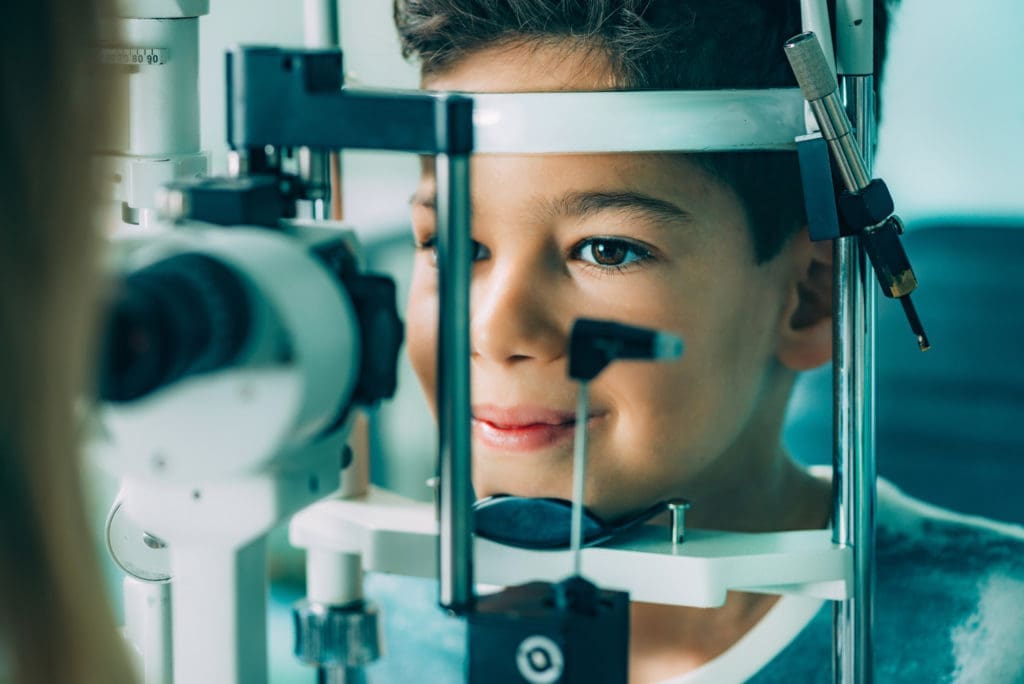
Have you noticed that you just aren’t seeing things as well as you used to? Are you holding your phone a little further away from your face? If this sounds like you, then it’s time head to the optometrist for an eye exam. If you’ve always had perfect vision, you probably don’t know what to expect when you show up for your first medical eye exam, and if it’s been a while since you had your last exam, you might be a little nervous. No need to worry! Read on to learn what to expect at your upcoming eye exam, especially if you’re considering a switch to contacts! Come Prepared to Your Medical Eye Exam Before your appointment, take some time to prepare: List Your Symptoms: Write down any issues you’re currently experiencing with your vision, such as blurriness, dry eyes, or headaches. Health History: Gather information about any chronic health conditions, like diabetes or high blood pressure, as these can impact your vision. Don’t forget to include any family history of eye issues. Current Prescription: If you already wear glasses or contacts, bring them along so your optometrist can assess your current prescription. What Tests Are Done During an Eye Exam? During your eye exam, the optometrist will perform several tests to evaluate your vision and eye health: Visual Acuity Test: This test measures how well you can see at various distances. You’ll read letters from a chart, covering one eye at a time. This helps determine if you need glasses or contacts. Peripheral Vision Test: This test checks your side vision. The doctor may ask you to focus on a point while they move an object in and out of your peripheral vision or use a machine that flashes lights in your peripheral field. Glaucoma Testing: To check for glaucoma, the doctor will measure the pressure in your eyes using a tonometer or a puff of air. Pupil Dilation: The doctor will dilate your pupils to examine the retina and optic nerve. This allows them to spot any issues like retinal detachment or macular degeneration. Retinoscopy: If you need glasses or contacts, the doctor will use this test to determine your prescription by asking you to look through different lenses. What Diseases Can Be Detected in an Eye Exam? An eye exam can reveal more than just vision problems. It can also help detect various diseases: Diabetes: Diabetic retinopathy is a common complication of diabetes that can be detected early through an eye exam. High Blood Pressure: Hypertension can cause damage to the blood vessels in the eyes, which can be identified during an exam. Glaucoma: Early signs of glaucoma, a condition that can lead to blindness if untreated, can be detected through regular eye exams. Cataracts: Clouding of the eye’s lens, leading to vision loss, can be diagnosed and monitored. Macular Degeneration: This age-related condition affects central vision and can be detected early with regular exams. Signs You Should Get Your Eyes Checked It’s important to be aware of the signs that indicate you need an eye exam: Blurry Vision: If your vision becomes blurred, especially in one eye, it’s time to get checked. Frequent Headaches: Headaches can be a sign of eye strain or other vision problems. Difficulty Seeing at Night: If you struggle to see clearly in low light, it could be a sign of cataracts or other issues. Eye Pain or Redness: Persistent discomfort or redness in the eyes should be evaluated by a professional. How Long Is an Eye Exam with Dilation? An eye exam with dilation typically takes about an hour. The dilation itself can take 20-30 minutes to take effect, and your eyes may remain sensitive to light for several hours afterward. Eye Examination Procedure Here’s a step-by-step overview of what to expect during your eye exam: Health and Vision History: The exam starts with a discussion about your vision and overall health. Visual Acuity Test: You’ll read from an eye chart to measure how well you see at different distances. Refraction Assessment: The doctor will determine your prescription for glasses or contact lenses using a device called a phoropter. Eye Muscle Test: This checks how well your eye muscles work together to focus on objects. Pupil Dilation: The doctor will use eye drops to dilate your pupils and examine the back of your eye. Eye Pressure Test: Also known as tonometry, this test measures the pressure inside your eyes to check for glaucoma. Final Consultation: The doctor will discuss your results and any necessary treatments or prescriptions. How Long Does an Eye Exam Take? A comprehensive eye exam usually takes between 30 minutes to an hour. If dilation is included, expect the exam to last closer to an hour. If your eyes need a more thorough examination, the process may take longer. What Is Normal Vision of the Eye? Normal vision is often referred to as 20/20 vision, meaning you can see clearly at 20 feet what should normally be seen at that distance. However, 20/20 vision doesn’t necessarily mean perfect vision, as it doesn’t account for other aspects like peripheral vision, color vision, or depth perception. Ready for Your Eye Exam? As you can tell, there are a number of tests that may be done when during your medical eye exam. It all depends on your individual concerns and risks. Be sure to make the most of your annual eye exam by coming prepared with a list of questions and concerns and you’ll leave feeling great! Do you live in Idaho or Utah and want to stay on top of your eye health? You’ve come to the right place! Schedule your exam today to get started!
Signs It’s Time for a New Eyeglass Prescription
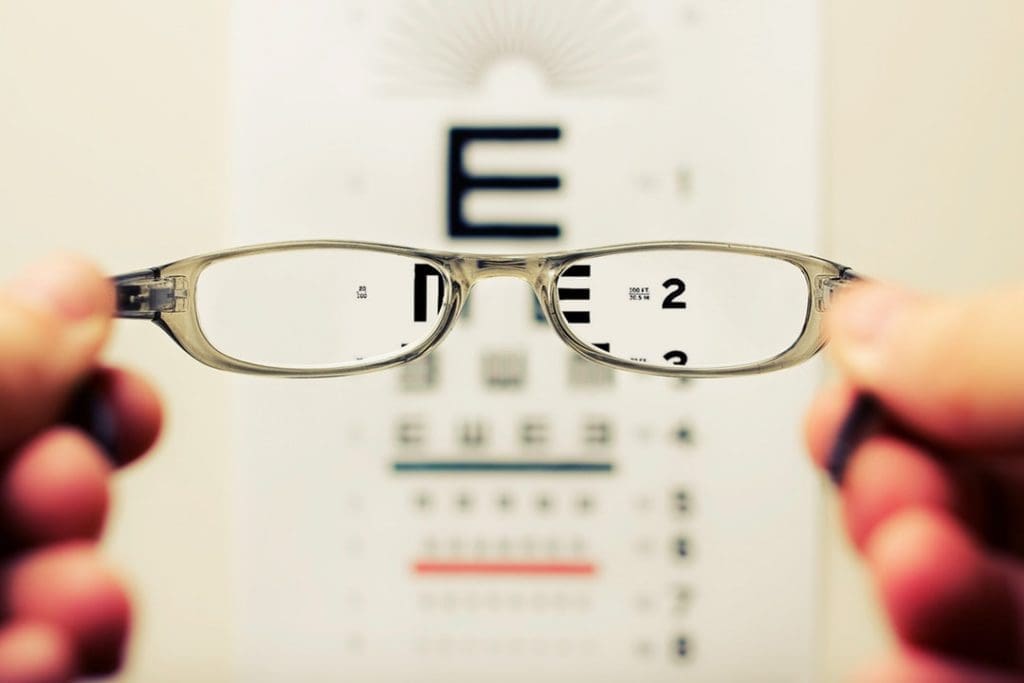
How long has it been since you had your eyes checked to see if your eyeglass prescription changed? The American Optometric Association recommends that adults who are asymptomatic or loss risk get their eyes examined at least every two years. For adults who are at risk, they recommend getting an eye exam every year, unless recommended otherwise by their doctor. The Center for Disease Control and Prevention notes that having your eyes examined is an important part of taking care of your health. Because when you get an eye exam, your eye doctor also checks your eyes for early signs of eye disease, eye movement issues, depth perception problems, and more. Whether you have had your eyes examined as recommended or not, there are issues that can arise that indicate your vision may have changed since you last got new glasses. If you notice any of these symptoms, you should make an appointment to see your eye doctor as soon as possible. Here’s what you should be looking for. 1. Your Vision Is Blurry Blurry vision can occur for many reasons. If you notice blurry vision in one or both eyes, it could be a sign that your prescription needs updating. Blurred vision can result from nearsightedness, farsightedness, or astigmatism. However, it can also be a sign of developing cataracts or other serious eye conditions. For pregnant women, blurred vision or double vision can indicate high blood pressure or gestational diabetes. If you experience these symptoms, consult both an eye doctor and a medical doctor. 2. You’re Experiencing Frequent Headaches If you’re getting more headaches than usual, it may be due to a change in your vision. Even a slight alteration in your prescription can cause your eyes to strain, leading to headaches. The location of the headache can vary depending on whether you’re nearsighted or farsighted, but pain between your eyebrows and the front of your head is often eye-related. 3. You Find Yourself Squinting More Squinting is a natural response when your eyes struggle to focus. It temporarily reduces the amount of light entering the eye and alters its shape, helping you see more clearly. However, if you’re squinting at objects you used to see perfectly fine, it’s likely time for a new prescription. 4. Your Eyes Often Feel Strained or Tired It’s normal for your eyes to feel strained or tired after prolonged use, such as working on a computer all day. But if this feeling persists despite self-care, it might be a sign that your prescription is outdated. In such cases, an anti-reflective coating on your lenses might help reduce screen glare and eye strain. 5. You’re Having Difficulty Driving at Night Many people experience difficulty driving at night due to issues like glare from oncoming headlights. This can be exacerbated by an outdated prescription or the onset of eye conditions such as cataracts. Anti-glare lenses can improve night driving, so consider updating your prescription if you’re having trouble seeing on the road at night. 6. Your Glasses Are Damaged Even if you take good care of your glasses, wear and tear are inevitable. Scratched or cracked lenses can cause headaches or eye strain. If your glasses have special coatings, these can wear out over time, causing your vision to become blurry. Additionally, bent or broken frames can cause your glasses to sit improperly, affecting how well you see through your lenses. 7. It’s Been a While Since Your Last Eye Exam If it’s been longer than recommended since your last eye exam, it’s time to schedule one, even if you haven’t noticed any changes in your vision. Regular eye exams are crucial for catching potential issues early, such as eye diseases and other abnormalities. FAQ Section How Long Does It Take to Get Used to New Glasses? Adjusting to new glasses can take anywhere from a few days to a few weeks. It’s normal to experience mild discomfort, such as headaches or a feeling of dizziness, as your eyes adapt to the new prescription. What Are the Symptoms of Adjusting to New Glasses? Common symptoms when adjusting to new glasses include headaches, nausea, dizziness, and a sense of distortion or imbalance. These symptoms should subside as your eyes adjust, but if they persist beyond a few weeks, consult your eye doctor. How Often Should You Get New Glasses? You should generally get a new pair of glasses every 1 to 2 years. However, if your vision changes more frequently, or if your glasses are damaged, you may need to replace them sooner. What Happens If You Wear Glasses That Are Too Strong? Wearing glasses with a prescription that’s too strong can cause eye strain, headaches, and dizziness. It can also lead to long-term discomfort and potentially worsen your vision. If you suspect your glasses are too strong, visit your eye doctor for a reassessment. Your vision is one of your most important senses, and keeping it sharp should be a top priority. If you’re experiencing any of the signs mentioned above, don’t hesitate to schedule an eye exam. Regular check-ups will help ensure that your prescription is up-to-date and that your eyes remain healthy. Make an Appointment for a New Eyeglass Prescription Regular eye exams should be a part of your overall health care plan. Don’t put off seeing your eye doctor simply because you don’t think you need a change in your eyeglass prescription. Vision changes can be subtle, so it is possible you may not notice changes over time. We can help find the best corrective vision solutions for you. Contact us today to set an appointment for an eye exam.
Can a Contact Stuck in Eye? Updated 2025
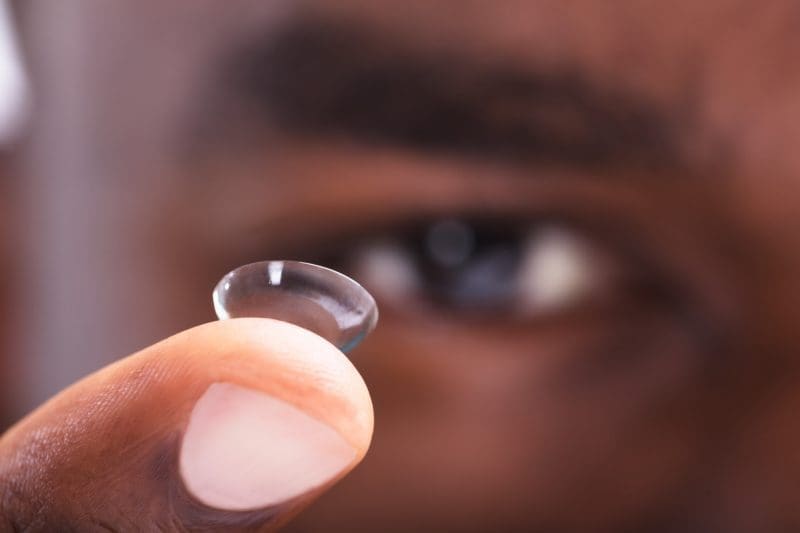
Whether you’re considering them, or you’re a seasoned wearer, there’s one question you likely have about contact lenses. Can a contact get lost in your eye? The short answer is no, but everyday contact lens wearers experience situations where they’re certain they’ve lost a lens and it’s floating in the recesses of their eye. We’ve put together the long answer to your questions about whether or not you can lose one of your contact lenses in your eye. Take a minute and read our mini-guide. Then, sit back, relax, and put that lens back where it belongs—in your eye! Stuck Contact Lenses Before diving into the concept of lost lenses, it’s essential to understand how contact lenses can get stuck or dislodged. Here are common scenarios: Rubbing the Eyes: Habitual eye rubbing due to allergies, dryness, or discomfort can dislodge a contact lens from its proper position. Inserting Inside Out: Inserting a contact lens inside out can cause discomfort and lead to the lens moving around in your eye, prompting further displacement. Makeup Removal: Vigorous scrubbing while removing eye makeup can unintentionally dislodge a contact lens. Sleeping with Lenses: Sleeping in contact lenses can cause them to stick to your eyelid due to reduced tear production and dryness during sleep. Prevention Tips: Follow proper care instructions from your optometrist. Avoid excessive eye rubbing. Ensure correct insertion of lenses. Remove lenses before activities like makeup removal or sleeping. Can a Contact Lens Get Lost in Your Eye? Despite common fears, a contact lens cannot get lost behind your eye. Here’s why: Conjunctiva: The thin, moist lining called the conjunctiva acts as a barrier that prevents any foreign object, including contact lenses, from entering behind the eye. The conjunctiva folds into the back portion of your eye, covering the white part of the eyeball, ensuring that nothing can pass behind your eye. Lens Displacement: While a contact lens may shift or get stuck under your eyelid, it remains accessible and can be removed safely. What to Do When a Contact Lens Feels Stuck If you experience discomfort or feel like your contact lens is stuck, it’s crucial to remain calm and follow these steps: Rinse Your Eye: Add moisture to your eye using saline solution or rewetting drops to help loosen the lens. Avoid using tap water as it can introduce harmful bacteria, increasing the risk of eye infections. Locate the Lens: Gently lift your upper eyelid and look down in the opposite direction to where you feel the lens might be. Once located, use clean fingertips to gently drag the lens down, pinch or roll it over the lower eyelid, and remove it. Avoid Rubbing: Intense rubbing can exacerbate irritation and make it harder to remove the lens. Use moisture to ease the process instead. Check Over the Cornea: If the lens is stuck over the cornea, avoid pinching it directly. Instead, gently pull it toward the white part of your eye to prevent a corneal abrasion. All You Need to Know Will a stuck contact eventually come out? Yes, a stuck contact will eventually come out, especially with proper techniques like adding moisture and gently massaging the eyelid. Patience is key. Can you lose a contact in your eye and not feel it? No, you cannot lose a contact lens in your eye permanently. You may feel like it’s lost, but it’s likely stuck under the eyelid or on the surface of the eye. How to tell if the contact lens is still in the eye? If you experience discomfort, blurred vision, or a sensation of something in your eye, the lens is likely still there. Gently check under your eyelids and over the cornea. How do I force my contacts out? Never force a contact out. Instead, use rewetting drops or saline solution to lubricate your eye, then gently massage the eyelid and move the lens to a more accessible position. What do I do if I can’t find my contact in my eye? If you can’t find the contact, try blinking, adding moisture, and using a mirror to inspect the eye. If you still can’t locate it, seek help from an optometrist. What happens if a contact gets stuck behind your eye? A contact lens cannot get stuck behind your eye. The conjunctiva prevents this from happening, so it will always be retrievable. Additional Tips for Contact Lens Wearers Regular Eye Examinations: Ensure optimal eye health and vision correction with routine check-ups. Lens Hygiene: Practice proper cleaning and disinfecting routines to avoid complications like corneal abrasions or infections. Avoid Sleeping in Lenses: Unless designed for extended wear, always remove your lenses before bed to allow your eyes to breathe. Handling Lenses: Always wash your hands before handling contact lenses to avoid introducing bacteria into your eyes. While the sensation of a lost contact lens can cause anxiety, understanding how your eye anatomy works and employing proper removal techniques can alleviate fears. Remember, a contact lens can shift or get stuck, but it cannot get lost within the eye. Regular eye care and proper lens hygiene are key to maintaining clear vision and healthy eyes. If you experience persistent discomfort, redness, or vision changes, seek prompt evaluation from your optometrist to ensure your eye health is on track. In Conclusion: While the sensation of a lost contact lens may cause concern, understanding the anatomy of the eye and employing appropriate removal techniques can alleviate anxiety. Contact lenses, though capable of shifting or becoming stuck, cannot truly get lost within the eye. If you’re considering transitioning to contact lenses or require assistance with your current lenses, a contact lens exam by a qualified optometrist is essential. Contact us today to schedule an appointment and embark on your journey to clearer vision through contact lenses. We’re here to support you every step of the way
7 Reasons Why People Want to Use the Best Colored Contacts
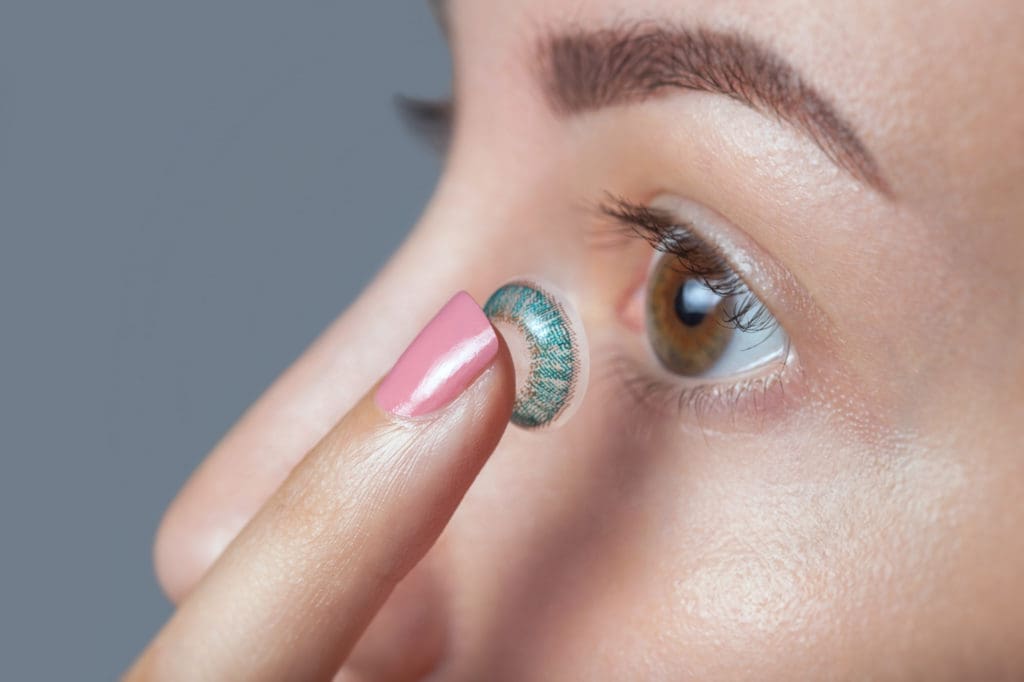
While most people wear contact lenses to correct their vision, others use them for aesthetic reasons. In fact, 11% of the contacts sold in the market are of the cosmetic type, which mainly consists of colored or tinted lenses. If you’re thinking of buying colored contacts, you may be tempted to skip the optometrist visit and instead, purchase those $10 green cat eye lenses you saw at the Halloween store. But that’d be completely unwise to do. Read on to find out 7 reasons why you want to use the best colored contacts on the market. 1. They’re Technically Medical Devices You may think of colored contact lenses as just another accessory, but according to the FDA, they’re medical devices. They go over your eyes and some correct your vision problems, after all. So if you think about it, you don’t really want to put any random medical device into your eyes. This is what over-the-counter colored contacts in novelty shops are—random and unregulated. 2. Your Eyes Need to Breathe Your cornea needs regular oxygen to operate properly, just like many other parts of your body. It doesn’t have any of its own blood vessels, so it needs to get oxygen directly from the air around you. When you wear any type of contacts, the oxygen flow will be compromised, which is why many people suffered from dry, itchy, and uncomfortable contacts with earlier versions of contact lenses. 3. Only Prescription Lenses Have Been Screened In the U.S., you need a prescription to wear contact lenses, even if they’re for cosmetic use only. This ensures your health is adequately protected, as you’ve been examined by an optometrist and are prescribed legal lenses on the market. When you purchase any contact lenses without a prescription, you’re most likely buying lenses that haven’t been through rigorous screening, increasing the risk of issues like a contact lens lost in eye. Either the vendor or the manufacturer (or both) are selling these contacts illegally, which can’t bode well for your eye health. 4. You Can Get Threatening Eye Diseases With Cheap Lenses Many over-the-counter colored contacts don’t come with proper cleaning or storage instructions. Without proper care of your contacts, you may get more than just dry and itchy eyes. Microorganisms may flourish on your lenses and cause serious health problems, such as viral keratitis. Some of these diseases can be so severe that you may lose your eyesight. Changing your eye color temporarily with cheap lenses definitely isn’t worth risking your eyesight for. 5. Everyone’s Eyes Are Unique All of our eyes are shaped differently, which means they need to be thoroughly examined and fitted with the right contact lenses. Clothes aren’t one-size-fits-all, and neither are contacts. You’ll most likely get an ill fit with novelty store colored contacts. Not only will they feel uncomfortable, but you’ll also risk scratching your cornea and getting an infection. When you go for high-quality colored contacts, an optometrist will take their time to talk with you to figure out what’s best for your lifestyle. Then, they’ll order you some lenses to try, and adjust the prescription accordingly after a fitting or two. 6. You Want to See Clearly Most colored contacts you find in novelty stores come without prescriptions. If you don’t have bad eyesight or don’t need vision correct at all, these may work in a pinch. That is, if you want to risk your eye health. For people with more significant vision problems, they’re excluded from this market, which is a good thing—you won’t be tempted to go with cheaply made and unregulated lenses. While previously, you couldn’t get colored contacts for heavy prescriptions, this is now feasible. The contact lens industry saw a growing demand for colored contacts in various prescriptions, even those past -5.00. So if you have a heavy prescription and felt left out before, you’ll be pleased to know you can now get various tints for your prescription contacts. They even make prescription colored contact lenses for astigmatism! Practically everyone can transform their eye color nowadays! 7. They’ll Last Longer While over-the-counter contacts may be initially cheaper, you might find yourself going through a ton of them when they keep ripping or tearing. Or the paint might keep flaking off, forcing you to open another pair. Prescription colored contacts are thoroughly researched, developed, and manufactured to be durable. Whether you buy daily, weekly, or monthly lenses, you can count on them to last as long as they claim to. By investing a little more money into the best colored contacts, you’ll actually be saving yourself some cash. Not only will they last longer, but you’ll also decrease your chances of costly medical problems. Get the Best Colored Contacts for Better Eye Health Your eyes are responsible for so much in your daily life. Small health problems may be annoying, but losing your eyesight can be devastating. Take the time to not only pick the best colored contacts, but also get them properly fitted. You’ll get hours of comfort, plus peace of mind that your eyes will be safe and healthy. Always remember to follow manufacturer recommendations and optometrist instructions to get the most out of your colored contacts. If you’d like to get fitted for colored contact lenses or want to order some refills, please get in touch with us now.
How to Choose the Best Optometrist: Your Complete Guide
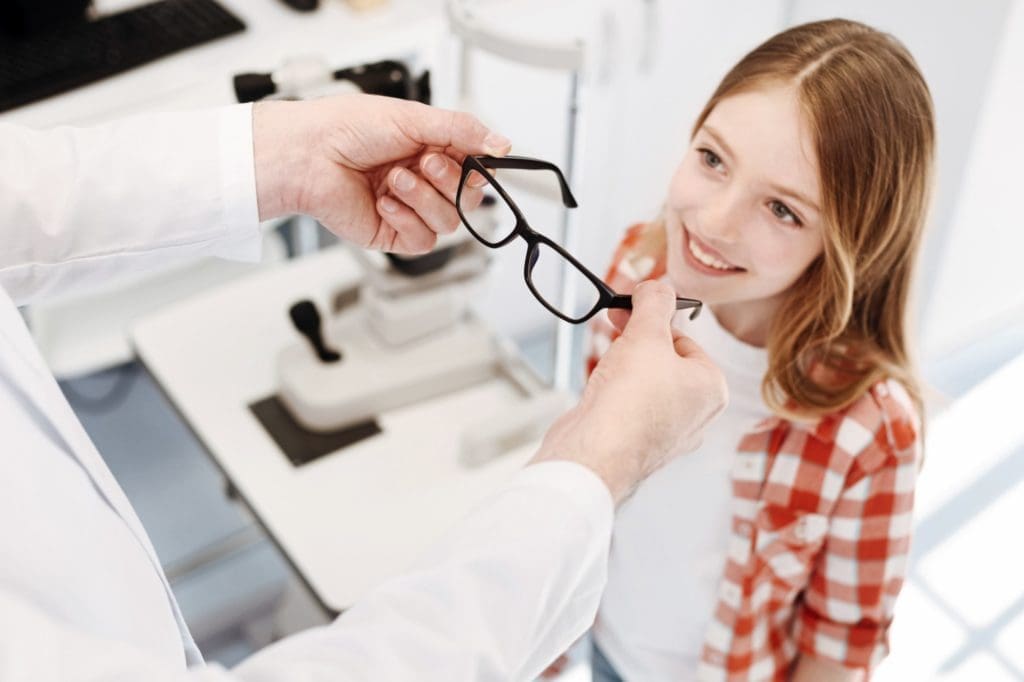
Struggling with your eyesight? Need professional help to resolve the problem? Thankfully, you won’t have to look far. The United States is expected to have 46,000 optometrists working around the country by next year. That’s a lot of eye doctors to choose from. In fact, you could argue that there are too many! With so many available, how on earth do you know which one to see? Your eye health is obviously of utmost importance. But what separates the good optometrists from the bad? We wanted to help. Thankfully, there are some easy ways to find out which eye doctor is right for you. Interested in learning more? Keep reading to discover 8 top tips for choosing the best optometrist for your needs. 1. Know the Different Professions It’s worth noting the different eye-disciplines. You need to know you’re seeking the right support from the outset. The term ‘eye doctor’ gets thrown around a lot these days. But there are two distinctive professional fields to know about: optometrists and ophthalmologist. They definitely aren’t the same! An optometrist is an eye-professional charged with examining and testing your eyes. They’ll prescribe you with a particular set of lenses and glasses to handle problems with your eyesight. Ophthalmologists are there to treat your eye diseases and conditions. Make sure you know which support you need before hunting for the best service. You may find an optometrist of the highest quality, only to realize you need an ophthalmologist! Here’s further information on the key distinctions between eye-professionals. 2. Seek Recommendations Let’s assume you know you need to see an optometrist. The easiest step for finding one is often to seek direct referrals. Set about asking your friends, family members and colleagues for recommendations. Who do you know who relies upon glasses and regularly visits the eye doctor for support? They may well be able to refer you to a specialist that’s perfect for your needs. Keep in mind that everyone’s different, though. The ideal optometrist for your friend may not be for you. It always pays to do additional research alongside an acquaintance’s recommendation. There may be a much better option out there that would go undiscovered. 3. Look for Reviews Think about your process of deciding somewhere new to eat. Finding a good restaurant can be hit and miss. That’s why sites like TripAdvisor were set up and quickly skyrocketed in popularity. They provide independent ratings and reviews by patrons that reveal a service’s quality. It’s a straightforward way to find out something’s value without having to try it first. Take the same approach to find an optometrist. Always seek reviews and ratings of the service. Look for both positive and negative feedback to build an accurate picture of what to expect. Google Reviews is a good place to start. 4. Check That the Price is Right Your ideal optometrist will fall within your price range. There’s no point going somewhere you can’t afford. Always finding out about charges prior to receiving treatment. You don’t want to have the examination, only to be surprised by a crippling invoice at the end. Keep in mind that your eye health is crucial to overall wellbeing. There’s a definite argument for paying the premium to ensure higher quality service delivery. As always, you get what you pay for. Going for a discount optometrist may entail low-quality treatment. 5. Ensure They Use Modern Technology Eye doctor establishments have a come a long way. The tools and equipment used to examine and treat eye problems have developed hugely. Top optometrists leverage the power of new technology to provide cutting-edge services. Unfortunately, many optometrists haven’t caught on. Older models are still commonly in use around the country. Alas, their service is unlikely to match up to eye doctors with modern technological capabilities. Technology always promoted speed, accuracy, and cost-effectiveness. The best optometrists know that and invest in it accordingly. 6. Check Their Qualifications and Experience Qualifications aren’t always everything. You can have a doctor with credentials covering their walls, without an ounce of bedside manner. That said, they inevitably provide a clue to an optometrist’s quality. A top eye specialty degree from a leading school always says something. However, the best eye doctors combine credentials with experience. Years of experience in the field means your eyes are in good hands. Always ask and search for an optometrist’s work and education history. 7. High Level of Availability Imagine needing immediate support for your eye health. You know there’s a problem and you want help fast. You call up the optometrist only to find that they don’t have an appointment for another two weeks. That’s no good for anyone. Waiting for an eye appointment is never desirable. The best optometrists know that and have the availability to suit. There’s an argument that a busy eye doctor is a good sign. They’re in high demand, suggesting the quality of their service. However, there should always be room to fit you in at a convenient time. If there isn’t, then we suggest looking elsewhere. 8. Look for a Welcoming and Professional Manner A quick point to finish: Be sure to find an optometrist’s service with a positive, welcoming atmosphere. It always helps to find health professionals with a warm bedside manner. They should be supportive, client-centered, professional, and in tune with your needs. This makes all the difference when getting support for your eye-related issues. Time to Choose the Best Optometrist There you have it: our top tips for selecting the best optometrist for your needs. Tens of thousands of optometrists already work around the country; the number of qualified eye doctors is only expected to increase. That wide range of choice has its advantages. However, it inevitably makes finding the right service slightly more difficult. There are just too many to choose from! Hopefully, though, this post has provided all the key considerations for finding the ideal service for you. Want some help finding the best eye doctor for you? Contact