



If you’ve spent a winter in Northern Idaho, you know the feeling. The skies turn gray, the air feels still, and everything seems to settle in place for weeks at a time.
That “stuck” feeling in the air is what we call an inversion-and while it’s part of life here, it can take a real toll on your eyes.
If your eyes feel dry, irritated, or tired during the colder months, you’re not imagining it. We see this every winter with patients and families across our community.
Let’s talk about why this happens-and what you can do to stay comfortable all season long.
What Is an Inversion (and Why Does It Matter for Your Eyes)?
An inversion happens when cold air gets trapped close to the ground, while warmer air sits above it. Think of it like a lid on a pot-everything underneath gets sealed in.
That includes:
- Dry air
- Dust and pollution
- Smoke from fireplaces and wood stoves
All of this builds up right where you live, work, and breathe.
For your eyes, that means more irritation and less natural moisture.
Why Winter Air Dries Your Eyes Out
Your eyes rely on a thin layer of moisture called the tear film. This is the watery coating that keeps your eyes smooth, comfortable, and clear.
When the air is dry-or filled with irritants-this tear film breaks down faster.
During Northern Idaho winters, several things work against you:
Indoor Heating
Heaters pull moisture out of the air, leaving your home dry.
Limited Air Circulation
Because of inversion, fresh air doesn’t move through as easily, so irritants linger longer.
Cold Outdoor Air
Cold air holds less moisture, which can dry your eyes quickly when you’re outside.
Put all that together, and it’s no surprise your eyes feel the difference.
Common Dry Eye Symptoms We See in Winter
Dry eye doesn’t always show up the same way for everyone.
You might notice:
- A gritty or sandy feeling (like something is in your eye)
- Redness or irritation
- Blurry vision that comes and goes
- Watery eyes (yes, dry eyes can actually cause tearing)
- Burning or stinging sensations
We also hear a lot about headaches and eye fatigue-especially after long days on screens.
If that sounds familiar, you’re definitely not alone.
Real-Life Frustrations During Inversion Season
We hear these concerns every winter:
“I can’t get through the workday without my eyes feeling exhausted.”
“Driving at night is harder because my vision gets blurry.”
“My contacts feel uncomfortable by the afternoon.”
These aren’t small inconveniences. They affect how you feel day to day-at work, at home, and even during simple tasks like reading or watching TV.
Simple Ways to Protect Your Eyes This Winter
The good news is there are practical steps you can take to feel better.
Add Moisture Back Into Your Home
A humidifier can make a big difference. It adds moisture to the air and helps your eyes stay hydrated.
Take Breaks From Screens
When you’re focused on a screen, you blink less. Blinking helps spread moisture across your eyes.
Try to pause every so often, even for a few seconds, to reset.
Stay Hydrated
Drinking enough water supports your body’s natural tear production.
Wear Glasses Outdoors
Even if you don’t need prescription lenses, glasses can act as a barrier against cold, dry air.
Use Artificial Tears
Lubricating eye drops can help restore moisture. We can recommend the right type based on your needs.
When Dry Eye Needs a Little More Help
Sometimes, simple changes aren’t enough.
If your symptoms stick around or start affecting your daily life, it’s time to take a closer look.
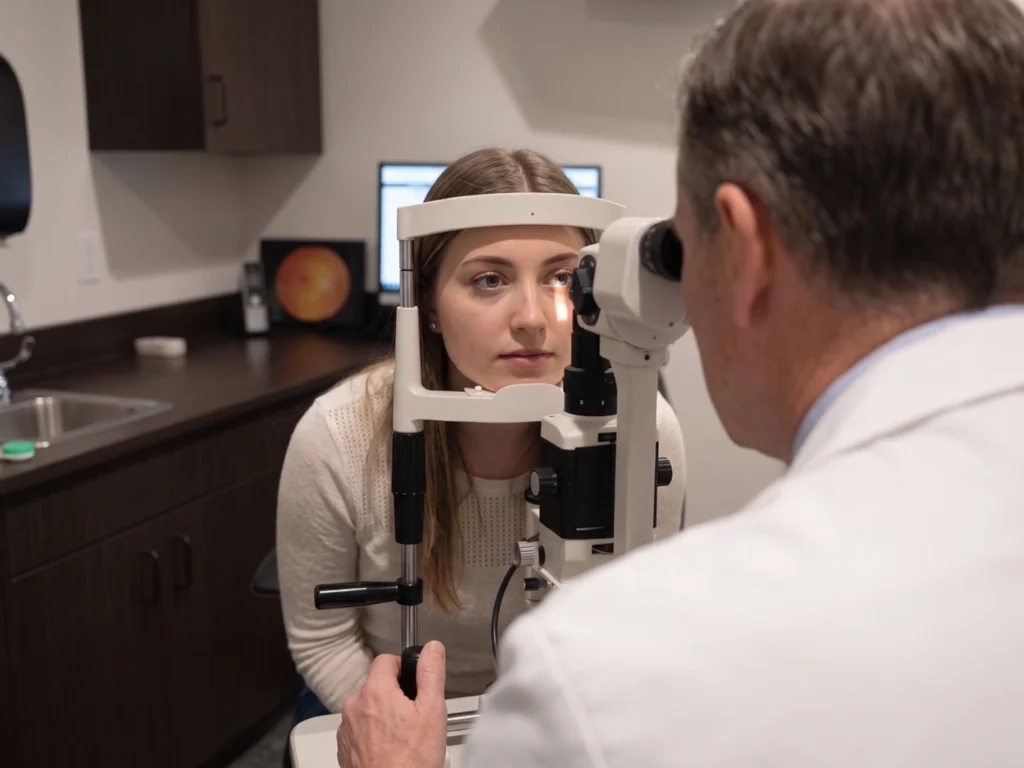
We’ll check your tear film-the moisture layer on your eye-and the surface of your cornea (the clear front part of your eye that helps focus light).
From there, we can recommend treatments that go beyond basic eye drops, tailored specifically to you.
Why Local Eye Care Makes a Difference
Living in Northern Idaho means dealing with unique seasonal challenges-like inversion.
That’s why it helps to see an eye doctor who understands what you’re going through.
We don’t just treat dry eye in general. We treat dry eye as it shows up right here, during our winters, in our homes, and in your daily routine.
We take time to understand:
- Your environment
- Your work habits
- Your symptoms and comfort levels
Because your care should fit your life-not the other way around.
What to Expect When You Visit Us
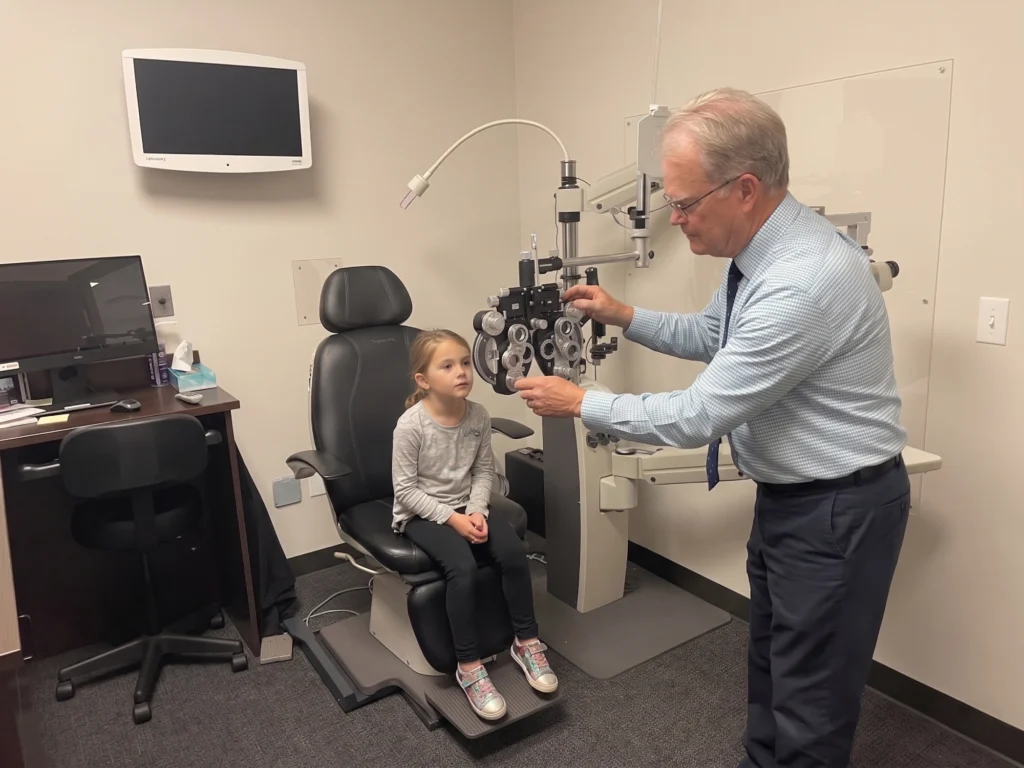
If you come in for dry eye concerns, we keep things simple and comfortable.
We’ll:
- Talk through your symptoms and daily routine
- Examine your eyes and tear film
- Explain what’s going on in plain language
No complicated terms. No rushed appointments.
Just real answers and practical solutions.
Don’t Let Winter Take Over Your Comfort
Dry eyes might be common during Northern Idaho winters, but that doesn’t mean you have to live with the discomfort.
Clear, comfortable vision makes everything easier from working on your computer to driving safely at night to simply relaxing at home.
If your eyes have been bothering you, now is the time to take care of them.
Let’s Help You Feel Better This Season
We’re here for you and your family all winter long.
If you’re dealing with dry, irritated eyes during inversion season, let’s find a solution that works for you.
Schedule your eye exam with us today. We’ll help you stay comfortable, see clearly, and enjoy the season-no matter what the weather brings.