
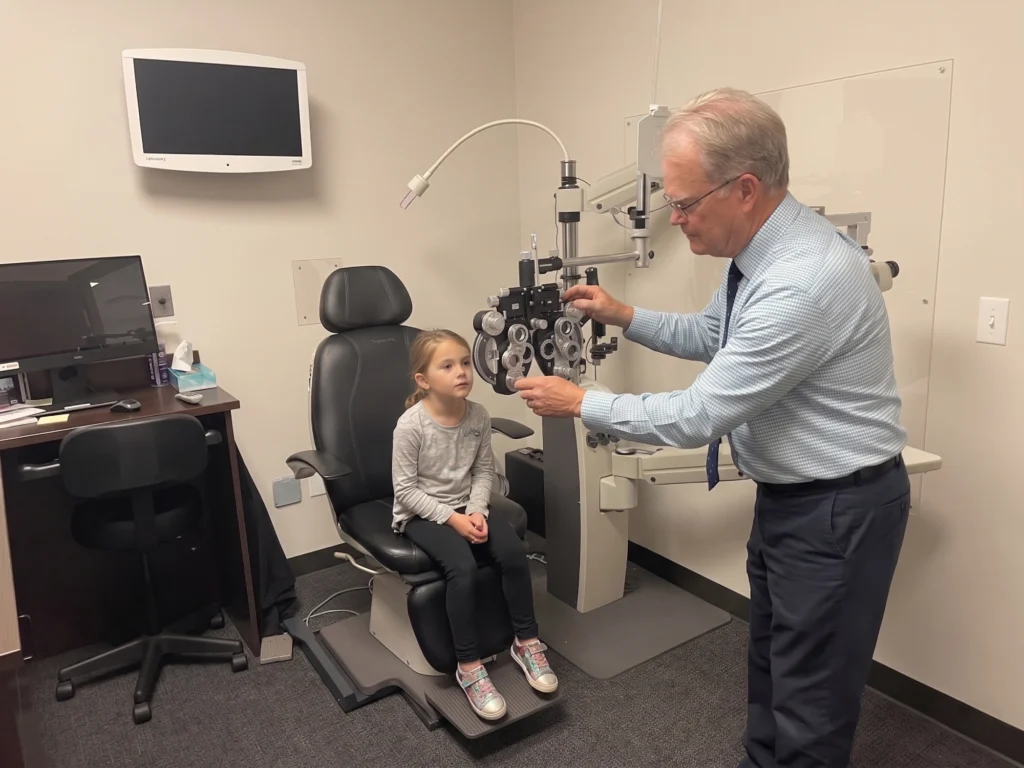
If you’re scheduled for an eye exam and aren’t sure what to expect, you’re not alone. Many patients wonder what happens during a comprehensive eye exam, how long it takes, and whether they’ll need additional testing or dilation.
The good news is that a modern eye exam is designed to be comfortable, informative, and tailored to your individual needs. Understanding what happens during the visit can help you feel more confident and prepared before your appointment.
Why Regular Eye Exams Matter
Many vision problems develop gradually. You may not notice changes right away because your eyes often adjust over time. That’s why routine eye exams are so important for both adults and children.
An eye exam can help detect:
- Blurry or changing vision
- Eye strain from screens
- Trouble reading or focusing
- Headaches related to vision problems
- Dry eyes
- Glare sensitivity while driving
- Early signs of eye disease
- Vision changes connected to health conditions like diabetes or high blood pressure
For children, regular eye exams can also catch problems that may affect learning, reading, or classroom focus.
Even if your vision seems “fine,” regular eye exams help us monitor small changes before they become bigger frustrations.
Before Your Appointment
When you arrive for your eye exam, our team will usually begin with a few simple questions about your health history, medications, and any vision concerns you’ve noticed recently.
You might mention things like:
- Difficulty seeing road signs at night
- Squinting while reading
- Frequent headaches
- Tired eyes after computer work
- Dry or irritated eyes
- Trouble focusing between screens and distance
These details help us personalize your exam and better understand what your eyes are experiencing day to day.
If you currently wear glasses or contact lenses, bring them with you to your appointment.
Step 1: Pre-Testing and Initial Measurements
Before you meet with the doctor, our team will perform several tests to gather important information about your eyes and vision.
Depending on your needs, this may include measuring your visual acuity (how clearly you see), checking your eye pressure, taking an autorefractor measurement to estimate your prescription, capturing retinal photographs, and performing other screening tests when appropriate.
These measurements provide valuable information that helps guide the rest of your exam. Most patients find this part of the visit quick and straightforward, and it allows the doctor to begin the evaluation with a more complete understanding of your vision and eye health.
Step 2: Reviewing Your Vision and Concerns
Once the initial testing is complete, you’ll meet with the doctor to discuss your vision, health history, lifestyle, and any symptoms you’ve been experiencing.
This conversation helps us understand how your eyes are functioning in your everyday life. Whether you’re spending long hours on a computer, having trouble driving at night, dealing with headaches, or noticing changes in your vision, these details help guide your care.
This is also a good time to bring up any concerns or questions you may have about your eyes, vision, or overall eye health.
Step 3: Evaluating Your Prescription and Visual Function
Next, we’ll evaluate how clearly your eyes see and how well they work together.
This part of the exam helps determine whether your prescription has changed and whether your eyes are focusing efficiently at both distance and near.
We may assess:
- Distance vision
- Near vision
- Eye teaming and coordination
- Depth perception
- Peripheral vision
Even small prescription changes can make a noticeable difference in comfort, clarity, and day-to-day activities.
For patients experiencing headaches, eye strain, or difficulty focusing, these tests can help identify vision-related causes that may otherwise go unnoticed.
Step 4: Examining the Health of Your Eyes
A comprehensive eye exam is about more than just updating a prescription.
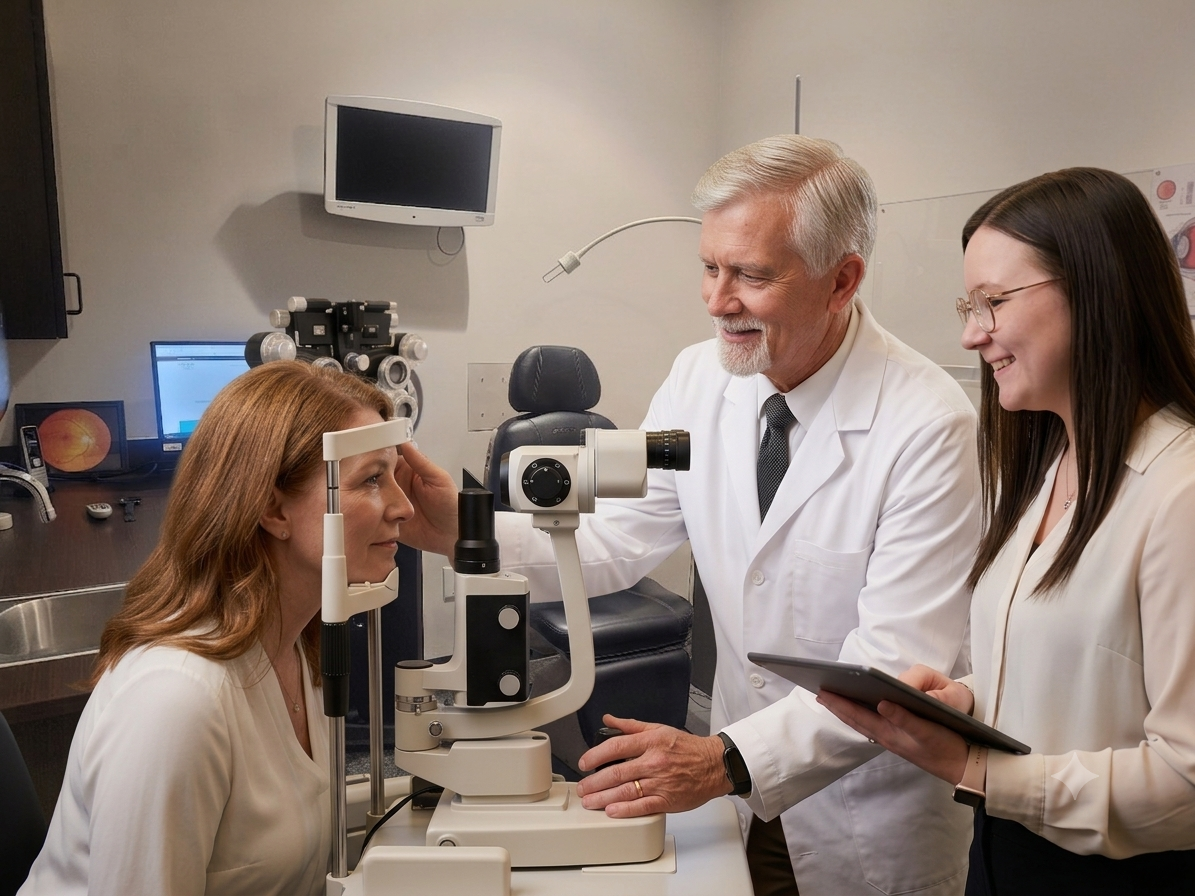
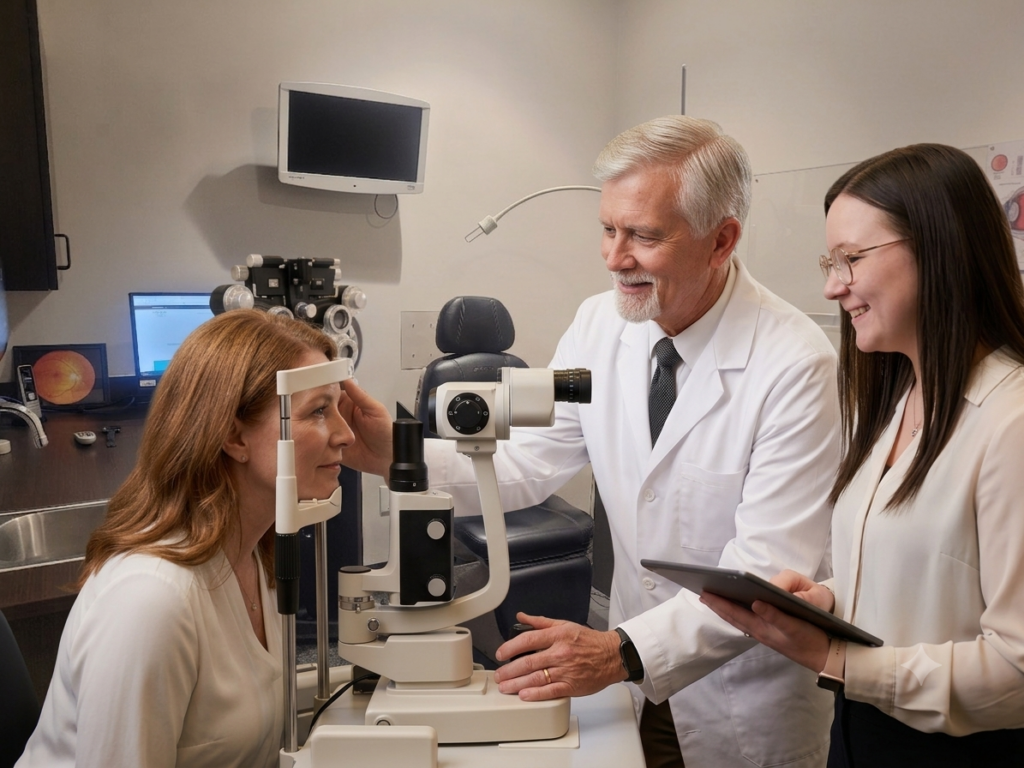
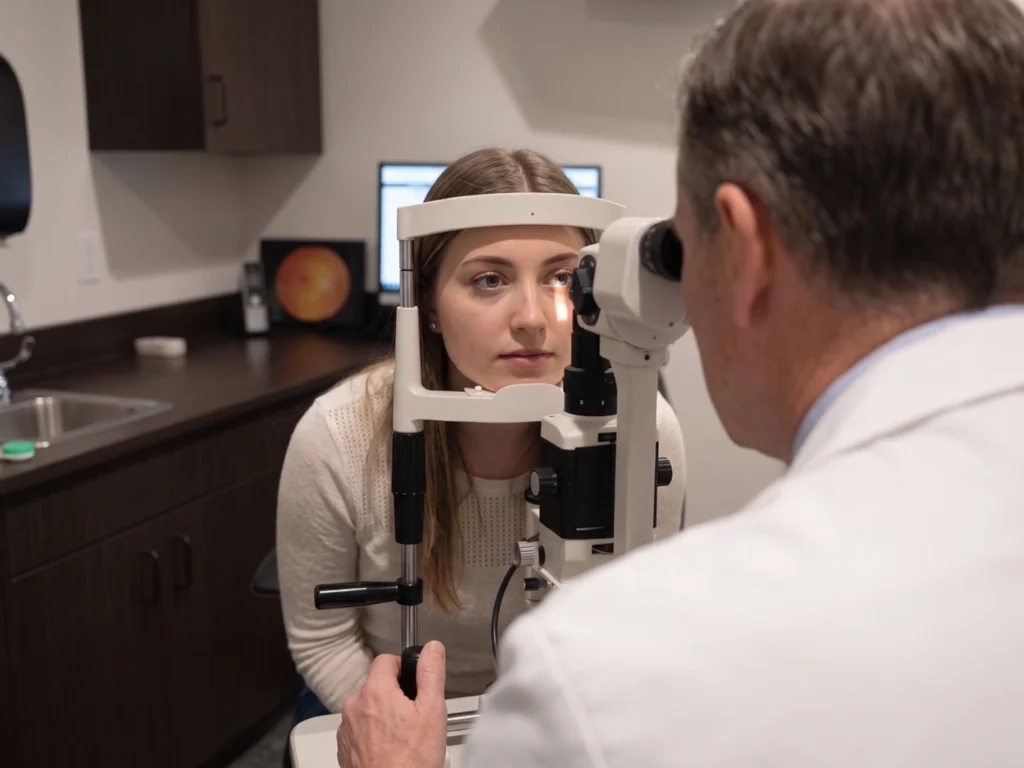
We also examine the overall health of your eyes, including the retina, optic nerve, and internal eye structures.
This helps us look for early signs of conditions such as:
- Cataracts
- Glaucoma
- Macular degeneration
- Diabetic eye changes
- Dry eye disease
Many eye conditions develop quietly at first without obvious symptoms. Catching them early often means more treatment options and better long-term eye health.
Will My Eyes Be Dilated?
Sometimes, yes.
Eye dilation involves using drops to temporarily widen your pupils so we can get a clearer view inside the eye.
Not every patient needs dilation at every visit, but when recommended, it provides valuable information about your eye health. Dilation may be recommended based on your symptoms, medical history, overall eye health, or conditions such as diabetes.
Your vision may stay blurry or light-sensitive for a few hours afterward, so bringing sunglasses can help.
Step 5: Reviewing Your Results and Recommendations
One of the most important parts of your visit is the conversation afterward.
We’ll walk you through your results in plain, understandable language-not confusing medical terminology.
If your prescription has changed, we’ll explain your results and discuss any recommendations that may help improve your vision, comfort, or eye health.
Depending on your needs, we may discuss recommendations related to:
- Vision correction
- Contact lenses
- Dry eye symptoms
- Digital eye strain
- Follow-up care or additional testing
Our goal is never to overwhelm you. We want you to leave feeling informed and comfortable about your vision care decisions.
What Parents Should Expect During a Child’s Eye Exam
Parents often wonder what happens during a pediatric eye exam and whether their child needs one if they already passed a school vision screening.
School screenings are helpful, but they only catch certain vision problems.
A full children’s eye exam looks more closely at:
- Eye coordination
- Focusing ability
- Depth perception
- Eye tracking
- Overall eye health
The American Optometric Association recommends that children receive a comprehensive eye exam between 6 and 12 months of age, again between ages 3 and 5, and before starting school. Regular eye exams after that can help monitor changes in vision as children grow.
Kids don’t always realize their vision is blurry because they assume everyone sees the same way they do.
Some signs your child may need an eye exam include:
- Squinting
- Sitting too close to screens
- Frequent headaches
- Rubbing their eyes
- Trouble concentrating while reading
- Struggling in school
We work hard to make children feel comfortable and relaxed during their visit so the experience stays positive for both kids and parents.
How Often Should You Have an Eye Exam?
For many adults and children, annual eye exams are recommended.
However, some patients may need more frequent visits depending on:
- Age
- Existing eye conditions
- Diabetes
- Contact lens use
- Family history of eye disease
- Vision changes
If you’ve noticed worsening headaches, blurry vision, increased glare at night, or eye discomfort, it’s a good idea to schedule an exam sooner rather than later.
Your Vision Matters More Than You Think
Clear, comfortable vision affects almost every part of daily life-from driving safely to helping your child with homework to getting through a full workday without eye strain.
At Eye Pros, we believe eye care should feel personal, welcoming, and easy to understand. We take time to answer questions, explain your options, and help you feel confident about your eye health.
Whether you need a routine checkup, updated prescriptions, contact lens care, or help with ongoing vision concerns, we’re here to help you see clearly and comfortably.
Schedule Your Next Eye Exam in Ogden
If it’s been a while since your last eye exam, now is the perfect time to take care of your vision.
Our friendly team is proud to care for individuals and families throughout Ogden and nearby communities with personalized, compassionate eye care.
Call today or schedule your appointment online to book your comprehensive eye exam. We look forward to helping you protect your vision for years to come.