
Screens are now a normal part of childhood.
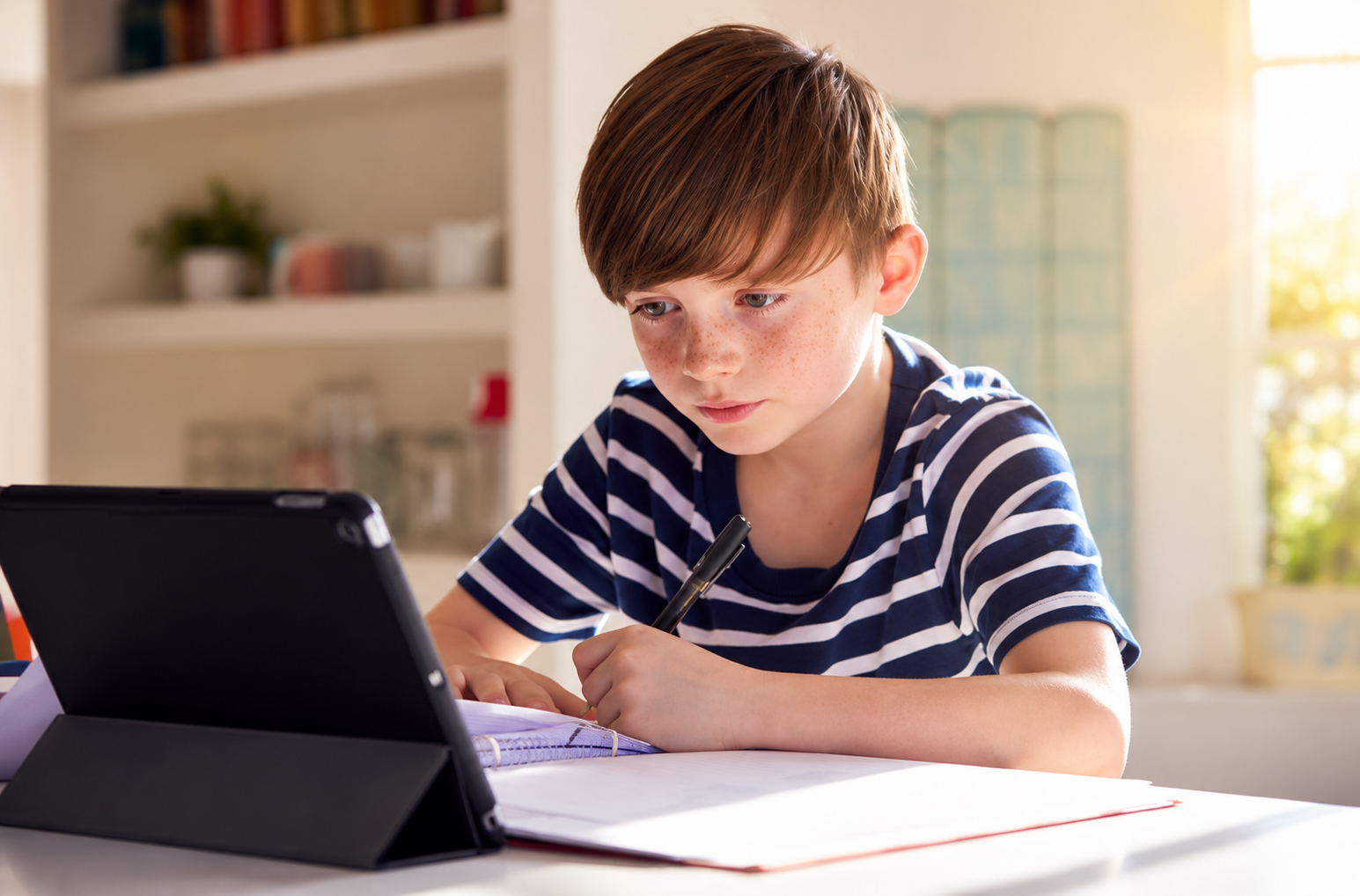
Kids use tablets for homework, computers at school, phones to stay connected, and televisions and gaming systems for fun. While technology can be a wonderful tool for learning and entertainment, all that screen time can also leave young eyes working harder than they should.
If your child complains about headaches, tired eyes, blurry vision, or difficulty concentrating, you may wonder whether they’re simply spending too much time on a screen.
Sometimes, that’s part of the problem. But there’s another important question to ask:
When was your child’s last comprehensive eye exam?
What a Vision Screening Can—and Can’t—Tell You
Vision screenings are valuable tools for identifying children who may have certain vision problems and need additional evaluation. However, a screening is designed to identify potential concerns rather than provide a complete evaluation of your child’s vision and eye health.
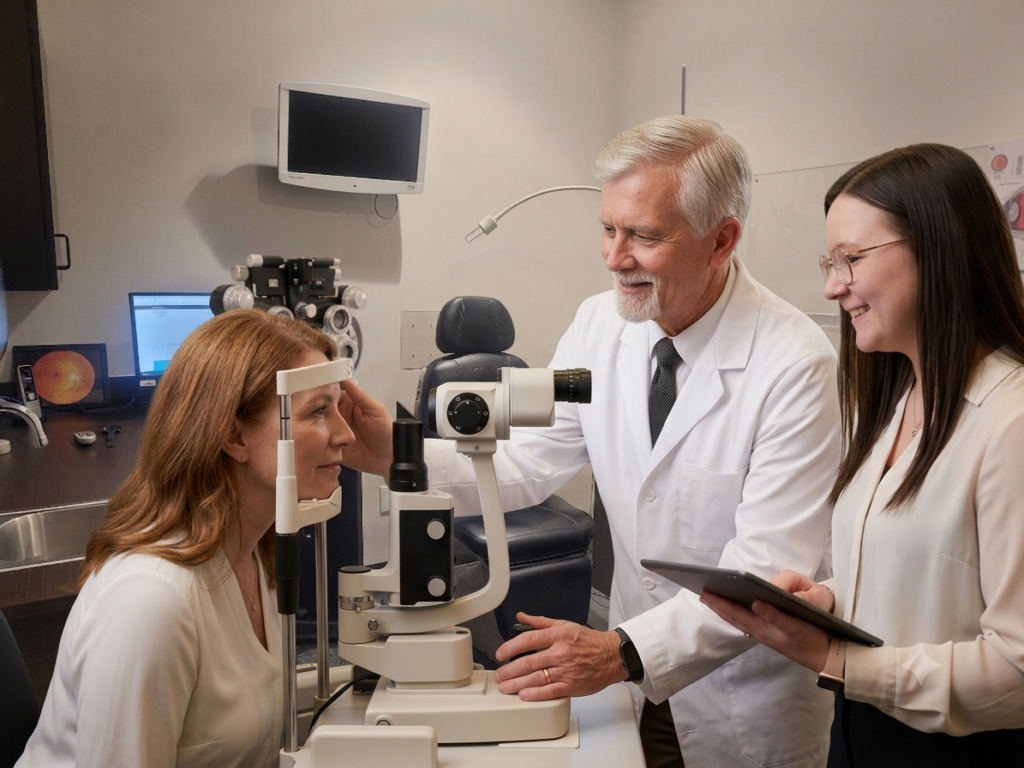
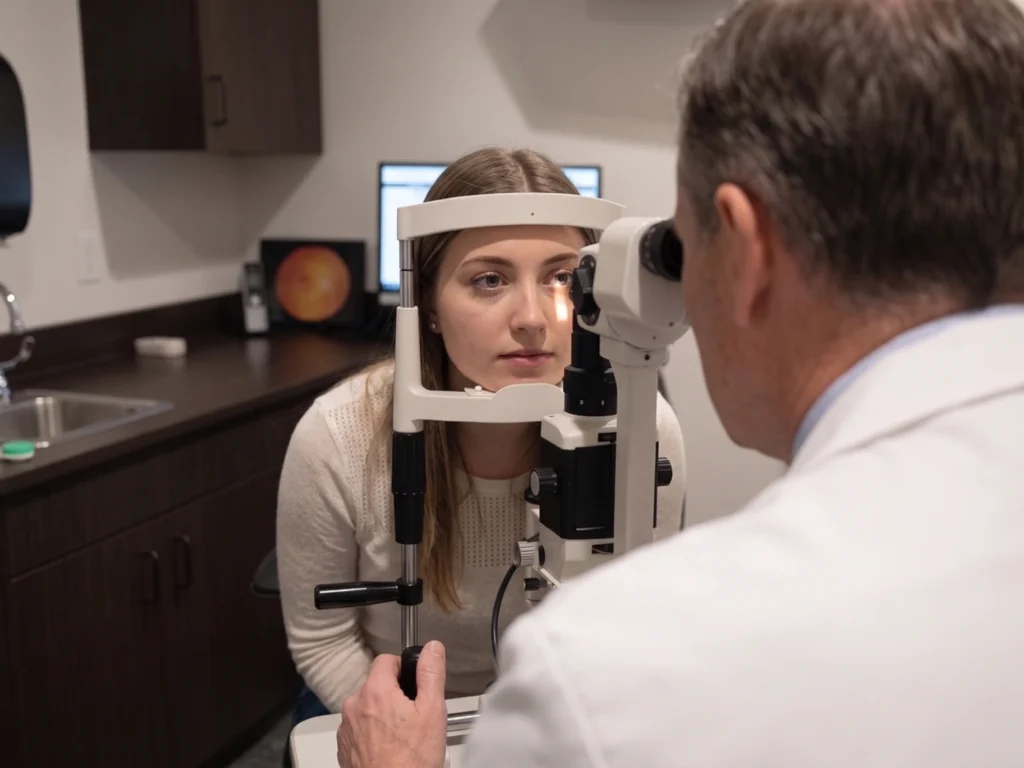
A child can pass a vision screening and still have a vision problem. A comprehensive eye exam goes further by evaluating how well the eyes see, work together, focus, move, and checking for signs of eye health problems.
That’s why we don’t recommend waiting for your child to fail a screening before scheduling a comprehensive eye exam. Clear eyesight is only one part of good vision.
Vision Is More Than 20/20
A child might see the letters on a vision chart clearly but still struggle with other visual tasks.
For example, reading requires the eyes to work together, shift focus, and follow words across a page. If those visual skills aren’t working comfortably, your child may experience difficulty or discomfort during reading or schoolwork even if they can see the board clearly.
That’s one reason a comprehensive eye exam can be so valuable.
Why Screen Time Can Be Hard on Young Eyes
Long periods of uninterrupted near work can put additional demands on a child’s visual system.
When your child focuses on a tablet, computer, or phone, they may blink less often. Their eyes can become dry or tired, especially during long periods of concentration.
You may notice your child:
- Rubs their eyes frequently
- Complains of headaches after school
- Squints when looking at things in the distance
- Holds books or devices very close to their face
- Loses their place while reading
- Avoids reading or other close-up activities
- Complains that their eyes hurt or feel tired
- Has trouble concentrating on homework
These symptoms don’t necessarily mean your child has a serious eye condition, but they are worth paying attention to.
Sometimes your child may not even realize that what they’re seeing isn’t normal.
How Parents Can Help Reduce Digital Eye Strain
You don’t necessarily need to ban screens from your home.
For most families, technology is simply part of daily life. The goal is to help your child’s eyes get regular opportunities to rest and focus at different distances.
Encourage the 20-20-20 Habit
One commonly recommended habit is the 20-20-20 rule: encourage your child to look at something about 20 feet away for 20 seconds after every 20 minutes of close-up screen use.
For younger children, you may need to make this a game or simply build regular breaks into their routine.
Encourage Outdoor Time
Regular outdoor time may also benefit children’s vision. Research has found that spending more time outdoors is associated with a lower risk of developing myopia (nearsightedness), particularly in children.
Try to make outdoor play, walks, sports, or other activities part of your child’s regular day.
Pay Attention to Viewing Distance
Your child shouldn’t need to hold a tablet or phone right against their face.
Encourage a comfortable viewing distance and make sure their screen is positioned so they aren’t constantly looking down or straining to see.
Don’t Forget About Blinking
When we’re concentrating on a screen, we often blink less.
Remind your child to blink normally, especially during longer periods of screen use. Regular breaks can also help reduce the feeling of tired, dry eyes.
When Should Your Child Have an Eye Exam?
You don’t need to wait until there’s an obvious problem. The American Optometric Association recommends a comprehensive eye exam between 6 and 12 months of age, at least once between ages 3 and 5, and annually from first grade through age 17. Children with certain risk factors or existing vision problems may need exams more often.
Children’s vision can change as they grow, and regular comprehensive eye exams give us an opportunity to identify concerns early.
It’s especially important to schedule an exam if your child:
- Is struggling in school
- Complains of headaches or eye discomfort
- Has trouble reading
- Frequently loses their place while reading
- Squints or closes one eye
- Sits unusually close to the television
- Has difficulty seeing the board
- Avoids activities that require close-up vision
- Has noticeable difficulty with hand-eye coordination
- Reports blurry or double vision
And if your child simply hasn’t had a comprehensive eye exam recently, that’s a good reason to check in.
Your Child May Not Tell You There’s a Problem
This is something we want every parent to know.
Children often don’t have anything to compare their vision to. If they’ve always struggled to see clearly, they may assume everyone sees the same way.
Children may also compensate without realizing it—for example, by moving closer to see something clearly or avoiding activities that feel visually uncomfortable.
Vision problems can sometimes contribute to symptoms such as avoiding reading, losing one’s place, or becoming uncomfortable during close work. An eye exam can help determine whether vision is one factor that should be addressed.
That’s why paying attention to small changes can be so important.
A Comprehensive Eye Exam Gives You More Answers
At Eye Pros, we want parents to feel comfortable asking questions about their child’s vision. A comprehensive eye exam isn’t about taking technology away from your child—it’s about making sure their eyes and vision are keeping up with the demands of childhood.
We’ll evaluate your child’s vision, how their eyes work together, and their overall eye health while explaining what we’re seeing in straightforward terms so you understand what it means for your child.
If everything looks healthy, that’s reassuring. If we find something that needs attention, identifying it gives us an opportunity to help.
Schedule Your Child’s Comprehensive Eye Exam
If your child is experiencing headaches, eye strain, reading difficulties, blurry vision, or simply hasn’t had a comprehensive eye exam recently, we’d be happy to help.
Schedule your child’s comprehensive eye exam with Eye Pros today. We’ll take the time to listen to your concerns, check your child’s vision and eye health, and give you clear answers about what they need.
Because when it comes to your child’s eyes, a quick screening is helpful—but a complete picture matters.